Each year, the fall season brings cooler weather, colorful leaves, and shorter days. For many nursing home residents, though, autumn also brings an increased risk of dangerous falls. Falls in nursing homes often spike during this time of year. Families in Greenville and across South Carolina are often surprised to learn that seasonal changes can play a major role in fall-related injuries. Understanding the reasons behind this trend and knowing what to watch for can help protect your loved one.




Why Falls Increase During Autumn 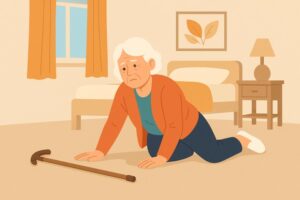
The transition into autumn creates a number of conditions that can make nursing homes more hazardous for residents. Shorter daylight hours mean darker hallways and outdoor paths earlier in the evening. Rainy weather brings wet surfaces that are difficult for residents with limited mobility to navigate. At the same time, changes in temperature often lead residents to wear heavier clothing, which can make walking more difficult. Even small changes, like wearing new shoes for cooler weather, can increase the likelihood of tripping.
Staffing patterns also shift during this time of year. Illnesses such as the flu tend to spread more quickly in the fall, which can leave facilities short-staffed. With fewer caregivers available, residents may wait longer for assistance, which increases the chance of attempting to move without support. When these factors combine, it is not surprising that nursing home falls are more common in the autumn months.
Environmental Hazards That Contribute to Falls
Nursing homes must maintain a safe environment for residents at all times, yet small hazards become magnified in the fall. Wet leaves tracked inside by staff and visitors can make floors slippery. Rugs placed near doors may shift out of place as more people enter from the rain. Dim lighting in the evenings can make it harder for residents to see obstacles in their path.
Even basic furniture arrangements can pose a problem. Chairs and tables that were safe in the summer may become more hazardous when residents wear bulkier sweaters and jackets. These subtle changes make it important for facilities to adjust their housekeeping routines and safety checks as the seasons shift. Families visiting their loved ones should take note of these environmental conditions and speak up if they notice problems.
Founded in 1975, Christian & Christian has deep roots in the community. 
Only Serving People, Never Companies


Physical Risks for Residents
Older adults in nursing homes already face challenges that make them more likely to fall, including limited balance, muscle weakness, and chronic conditions such as arthritis. In the fall, these risks can increase when residents are less active. Cooler weather often means residents spend less time outdoors, reducing their physical activity levels. As mobility decreases, balance and strength can weaken further.
Medication adjustments are another factor. Seasonal illnesses or changes in appetite may cause physicians to alter prescriptions. New medications or dosage changes can lead to dizziness, fatigue, or confusion. Each of these side effects significantly increases fall risk. Families should monitor whether their loved one’s medications change around this time and ask staff how these changes are being managed.
The Consequences of Nursing Home Falls
Falls in nursing homes are not minor events. Even one fall can cause a serious injury that affects a resident’s long-term health. Broken hips, wrist fractures, and traumatic brain injuries are common outcomes. Many residents who experience a serious fall lose their independence permanently, requiring greater levels of care or hospitalization.
Beyond the physical injuries, the emotional impact is also significant. Residents who have fallen may develop a fear of walking or standing, leading them to avoid activity altogether. This can accelerate physical decline and reduce quality of life. Families may notice their loved one becoming more withdrawn or anxious after a fall. These emotional effects deserve attention and care as much as the physical injuries.
Everyone there was very professional, knowledgeable, and friendly. My car was totaled, and I was a little intimidated talking with a couple of other lawyers in Greenville. But with Christian and Christian, not only did they answer my questions, but they did so in a way that made what could have been a hectic situation, easy. Overall, an excellent experience with high quality lawyers who truly go above and beyond and really try to get you the results or answers you need. I met Josh like 4 years ago when my Son was injured at Daycare. He was very concerned about the well being of my Child and Me. Very Understanding Professional and Just a great Staff. If You need a Lawyer that’s all about YOU this is the Place. I just closed a Case on 6/23/2021 from a injury on a Property. They handled everything because no one else would help Me. I’m forever grateful for Your hard Work and Time. Once again Thank You Josh and Sally. My husband was referred to this law firm from another lawyer after his mother passed away while residing in a nursing home. Matt took on his case and we are pleased with how everything turned out. It took a long, long time to finally settle, but it was worth the wait. The staff here is friendly and I’d be happy to recommend them to anyone needing legal assistance. I was referred to Harold by a family friend, and I couldn’t be happier. He took the time to listen to my case, answered all my questions and truly treated me like a friend not a client. His knowledge of medical malpractice is priceless he actually successfully won, one of the first medical malpractice cases in Greenville County.
—Rob Young
—Rezillai Henderson
— Jen
— Lindsey
Warning Signs Families Should Watch
Families who visit regularly are in a strong position to notice early warning signs. Pay attention if your loved one seems to have new bruises or small cuts that are not explained. Watch for changes in walking patterns, such as slower steps or a new reliance on furniture for balance. If staff appear rushed, distracted, or unable to assist promptly, this may indicate a higher risk of falls.
Unsafe conditions in the facility are also warning signs. Dim lighting, cluttered hallways, or long waits for assistance can signal that the nursing home is not taking fall prevention seriously. Families should ask direct questions about fall protocols and make sure their loved one is being supervised appropriately.
How Families Can Help Reduce Fall Risks
Although much of fall prevention is the responsibility of the nursing home, families can take important steps as well. Visiting frequently helps ensure that unsafe conditions are noticed and addressed. Providing supportive shoes and non-slip socks can make walking safer for residents. Families can also ask staff about exercise or therapy programs that strengthen balance and mobility.
In addition, open communication with nursing home staff is essential. Families should not hesitate to raise concerns about fall prevention policies, staff response times, or environmental hazards. By staying engaged, families reinforce the expectation that their loved one’s safety must be prioritized.
Value of a Personal Injury Case
Choosing a Personal Injury Attorney
Related Videos
When Nursing Home Neglect Contributes to Falls
Not every fall is preventable, but many can be avoided with proper care and attention. When a nursing home fails to provide adequate supervision, ignores safety hazards, or leaves residents unattended for long periods, it may amount to neglect. Falls that occur under these circumstances can be particularly devastating, because they could have been avoided with reasonable precautions.
In cases of suspected neglect, families may have legal options. Holding a nursing home accountable for unsafe practices not only protects your loved one but also helps improve safety for other residents. Documentation of conditions, photographs of hazards, and detailed notes about staff interactions can make a significant difference in building a case.
Verdicts & Settlements
Legal Guidance for Families in Greenville
Christian & Christian Law has represented families throughout Greenville and South Carolina who are concerned about nursing home safety. Our attorneys understand the serious impact a fall can have on a resident and their family. We approach these cases with compassion and determination, working to uncover the causes of neglect and hold facilities responsible.
If your loved one has been injured in a fall at a nursing home, our team can review the situation and explain your options. You deserve answers and accountability when the safety of a family member is at stake.
Falls in nursing homes are a serious concern during the autumn months, but families do not have to face this problem alone. By staying alert to environmental hazards, monitoring changes in your loved one’s health, and demanding accountability from nursing homes, you can play an important role in protecting your relative.
If you have questions about a nursing home fall in Greenville or the surrounding areas, contact Christian & Christian Law today at (864) 408-8883. Our team offers free consultations and stands ready to help families seek justice when neglect contributes to preventable harm.
To learn more about this subject click here: What to Do if a Nursing Home Tries to Cover Up Abuse

|
The National Trial Lawyers: Top 100
Medical Malpractice: Top 25 Trial Lawyers Association
The National Trial Lawyers: Trucking Trial Lawyers |
The National Trial Lawyers: Top 25 Workers' Compensation Trial Lawyers
The National Trial Lawyers: Top 25 Products Liability Trial Lawyers
Expertise.com: Best Personal Injury Lawyers in Greenville |