South Carolina’s nursing homes provide essential care to thousands of elderly residents, many of whom have complex medical needs. However, a growing concern in these facilities is the impact of low staff ratios. Christian & Christian Law, a Greenville-based firm with extensive experience in nursing home abuse and neglect cases, is deeply committed to addressing these issues. Low staff ratios can have severe consequences, ranging from neglect and medication errors to more serious cases of abuse. Families who entrust their loved ones to nursing homes have the right to expect that their loved ones receive the highest quality of care, but when staffing is inadequate, residents can face dangerous and harmful situations.


Unfortunately, low staff ratios are an all-too-common issue in nursing homes across South Carolina. Understaffed facilities struggle to meet the needs of their residents, leading to a decline in care quality. It’s important for families to understand the risks that come with this issue and know what steps to take if they believe their loved one’s care is being compromised.
The Risks Associated with Low Staffing in Nursing Homes 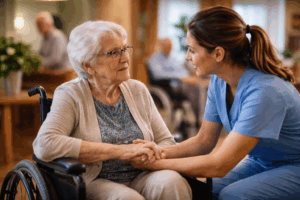
Inadequate staffing affects nearly every aspect of a nursing home’s operations, from daily care routines to emergency medical interventions. Here are some of the risks that residents may face when nursing homes are understaffed:
- Neglect and Hygiene Issues
One of the most common issues that arise in understaffed nursing homes is neglect. With fewer staff members available, it becomes difficult for caregivers to meet the basic needs of residents. Bathing, feeding, and assisting with mobility may be delayed or missed entirely. Poor hygiene practices can lead to infections, bedsores, and other serious health issues that would otherwise be preventable. - Medication Errors
Another significant risk in understaffed nursing homes is the likelihood of medication errors. Staff members who are overworked and stretched thin are more prone to making mistakes when administering medications. This can lead to dangerous situations, such as overdoses, missed doses, or improper medications being given to the wrong residents. These errors can worsen a resident’s condition, lead to new medical complications, and even result in death.
Founded in 1975, Christian & Christian has deep roots in the community. 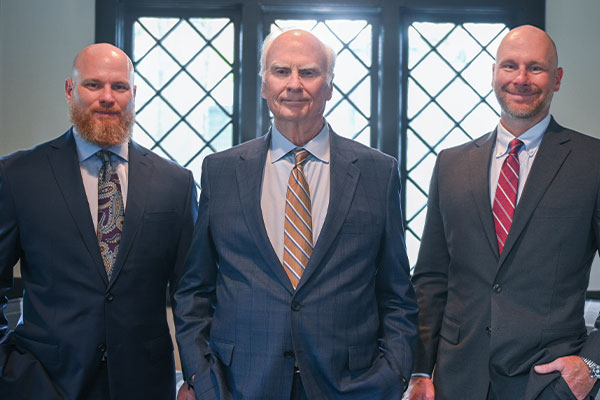
Only Serving People, Never Companies


- Increased Risk of Abuse
Sadly, understaffed nursing homes can also become breeding grounds for abuse. With fewer staff members available to supervise residents and interact with them on a personal level, some individuals may take advantage of the situation. This lack of oversight can lead to physical, emotional, and even sexual abuse, as vulnerable residents are left unprotected. Abusers may feel emboldened by the reduced number of staff, knowing there is a smaller chance of getting caught. - Delayed Medical Interventions
Inadequate staffing can also lead to delays in responding to medical emergencies. For elderly residents, who may suffer from chronic conditions like heart disease, diabetes, or dementia, timely medical interventions are crucial. If there aren’t enough staff members to monitor residents or respond quickly to health issues, critical windows for treatment may be missed. This can lead to prolonged hospital stays, permanent disabilities, or even death.
The Psychological Impact on Residents
The physical risks of low staffing are obvious, but the psychological effects can be just as damaging. Residents in understaffed facilities often experience emotional distress due to isolation, fear, and the feeling that they are not being cared for. Here’s how:
- Emotional and Psychological Isolation
Many nursing home residents are already vulnerable to feelings of loneliness and isolation. When staffing levels are low, they may find themselves even more isolated, as caregivers simply do not have the time to interact with them. This can exacerbate depression, anxiety, and other mental health conditions. Residents may begin to feel as though they have been abandoned by their families and the facility staff, leading to a deepening sense of despair.
Everyone there was very professional, knowledgeable, and friendly. My car was totaled, and I was a little intimidated talking with a couple of other lawyers in Greenville. But with Christian and Christian, not only did they answer my questions, but they did so in a way that made what could have been a hectic situation, easy. Overall, an excellent experience with high quality lawyers who truly go above and beyond and really try to get you the results or answers you need. I met Josh like 4 years ago when my Son was injured at Daycare. He was very concerned about the well being of my Child and Me. Very Understanding Professional and Just a great Staff. If You need a Lawyer that’s all about YOU this is the Place. I just closed a Case on 6/23/2021 from a injury on a Property. They handled everything because no one else would help Me. I’m forever grateful for Your hard Work and Time. Once again Thank You Josh and Sally. My husband was referred to this law firm from another lawyer after his mother passed away while residing in a nursing home. Matt took on his case and we are pleased with how everything turned out. It took a long, long time to finally settle, but it was worth the wait. The staff here is friendly and I’d be happy to recommend them to anyone needing legal assistance. I was referred to Harold by a family friend, and I couldn’t be happier. He took the time to listen to my case, answered all my questions and truly treated me like a friend not a client. His knowledge of medical malpractice is priceless he actually successfully won, one of the first medical malpractice cases in Greenville County.
—Rob Young
—Rezillai Henderson
— Jen
— Lindsey
- Increased Anxiety and Fear
Knowing that the facility is understaffed, many residents live in constant anxiety about their well-being. They fear that if something happens, help won’t arrive in time. For residents who are physically or cognitively impaired, this fear is especially acute. The inability to fully trust the people tasked with caring for them can lead to chronic stress and emotional trauma. - Deterioration of Trust in Caregivers
Trust is a cornerstone of the caregiver-resident relationship. However, when nursing home staff are overworked and unable to provide the attention residents need, trust can break down. Residents may feel that their caregivers are not attentive or compassionate, leading to a loss of trust in those who are supposed to provide care. This can have long-term effects on a resident’s mental health and sense of security.
Value of a Personal Injury Case Choosing a Personal Injury AttorneyRelated Videos
Legal Consequences of Low Staff Ratios
Families who believe that their loved one’s care has been compromised due to low staff ratios should be aware of their legal rights. Nursing home residents are entitled to a certain standard of care under both state and federal law. When these standards are violated, families have legal recourse to seek justice. Some of the options available to families in South Carolina include:
- Nursing Home Abuse and Neglect Lawsuits
If a resident suffers from neglect, abuse, or preventable medical errors due to understaffing, families may have grounds to file a lawsuit against the facility. Christian & Christian Law has extensive experience representing families in nursing home abuse and neglect cases. Through a lawsuit, families can seek compensation for medical expenses, pain and suffering, and other damages related to the harm caused by neglect. - Filing Complaints with Regulatory Agencies
Nursing homes in South Carolina are regulated by the South Carolina Department of Health and Environmental Control (DHEC). Families who believe their loved one’s care has been compromised can file complaints with DHEC, which has the authority to investigate the facility and impose penalties if violations are found. In some cases, facilities may be fined, placed under increased scrutiny, or even closed down for failing to meet state requirements. - Seeking Guardianship or Power of Attorney
In cases where a nursing home is unable or unwilling to provide the care that a resident requires, families may consider pursuing guardianship or power of attorney. This legal arrangement allows family members to make decisions on behalf of their loved ones and ensure they receive the proper care.
Verdicts & Settlements
How Can Families Protect Their Loved Ones?
It is crucial for families to stay informed about the care their loved ones are receiving in nursing homes. Regularly visiting the facility, speaking with staff, and being aware of the signs of neglect and abuse can help protect residents from harm. Here are some tips for families:
- Perform Regular Visits
Frequent visits to the nursing home can help ensure that your loved one is receiving the care they need. Try to visit at different times of the day and week to get a full picture of the facility’s operations. - Communicate with Staff and Management
Don’t hesitate to ask staff members about the care your loved one is receiving. Be proactive in discussing your concerns with management and request regular updates on your loved one’s health and well-being. - Watch for Signs of Neglect or Abuse
Look for signs of physical neglect, such as bedsores, weight loss, or dirty clothing. Emotional neglect may manifest as depression, withdrawal, or a lack of engagement with others. If you notice any of these signs, take action immediately. - Know Your Legal Rights
Understanding your legal rights and the standards of care required in nursing homes can help you take action if needed. Christian & Christian Law is here to provide guidance and representation for families who believe their loved ones have been harmed due to inadequate staffing.
The impact of low staff ratios in South Carolina nursing homes cannot be ignored. From neglect and medication errors to the psychological toll on residents, the consequences of insufficient staffing are severe. Families must remain vigilant in ensuring that their loved ones receive the care they deserve. If you believe that a loved one has suffered due to inadequate staffing, Christian & Christian Law is ready to help. Our attorneys have the knowledge and experience to fight for justice and ensure that nursing homes are held accountable for their actions.
If you suspect that your loved one is experiencing neglect or abuse due to low staffing in a nursing home, contact Christian & Christian Law for a free consultation. Our compassionate team is here to guide you through your legal options and help protect your loved one’s rights.
To learn more about this subject click here: The Link Between Nursing Home Neglect and Winter Illnesses Like Pneumonia