As winter transitions into its later months, nursing homes face increased challenges related to staffing fatigue and illness. These issues can put residents at a higher risk for neglect, accidents, and health complications, making it an important time for families to monitor the care their loved ones are receiving. This article explores the effects of these seasonal difficulties on nursing home care and offers suggestions for how families can ensure the safety of their loved ones during this time of year. At Christian & Christian Law, we recognize the importance of providing safe, quality care to elderly residents, and we understand the struggles families face when these risks increase.








The Impact of Winter on Nursing Home Staff 
Late winter brings several seasonal challenges that can affect the quality of care in nursing homes. The combination of cold weather, increased flu rates, and seasonal illnesses can lead to significant disruptions in staffing. Nursing homes are often understaffed during this time of year, and the remaining staff members are often fatigued from extended shifts or battling illness themselves. When employees are stretched thin, it becomes harder for them to maintain the level of care that residents require.
Staffing issues in late winter can lead to a variety of problems for nursing home residents. Caregivers may become overwhelmed, which can result in missed medications, delayed assistance with daily activities, or even failure to notice concerning changes in residents’ health. It’s also common for nursing homes to rely on temporary workers during peak illness seasons, which can affect the continuity of care that long-term residents require. This combination of fatigue and disruption increases the risk of accidents, falls, and preventable health complications.
Seasonal Illness and Its Effects on Resident Care
Illnesses such as the flu, colds, and other infections spread rapidly during the winter months, especially in environments like nursing homes, where multiple people live in close quarters. For nursing home staff, this means increased absenteeism as caregivers fall ill themselves or need time to care for sick family members. Inadequate staffing during these peak illness months means that the remaining staff often have to pick up the slack, leading to more stress, fatigue, and potential errors in care.
Founded in 1975, Christian & Christian has deep roots in the community. 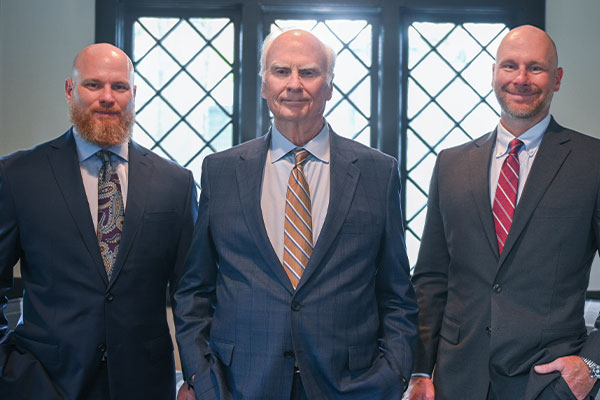
Only Serving People, Never Companies


Residents, particularly those with weakened immune systems or pre-existing health conditions, are at an elevated risk during these times. The flu or a cold can easily develop into a more severe condition, such as pneumonia, for elderly individuals. When nursing homes lack adequate staff or resources to manage outbreaks of illness effectively, the risk of residents suffering severe health consequences rises significantly.
In addition to physical illnesses, the mental toll on residents can be significant. Staff fatigue can affect their ability to provide emotional support, which is equally important for elderly individuals who may feel isolated or anxious. Inadequate interaction with caregivers can lead to feelings of neglect, worsening mental health, and an overall decline in residents’ well-being.
The Risks of Insufficient Staff and How It Affects Resident Safety
When there is inadequate staffing, nursing homes face the critical risk of neglecting residents’ safety needs. In a facility where staff are spread thin, there is less time for thorough monitoring of residents, particularly those with mobility issues or chronic conditions. This can lead to unreported falls, failure to provide regular medication, or even unnoticed symptoms of deteriorating health.
Falls are a significant concern, especially among elderly residents who may be more prone to injury. With reduced staffing, residents may not receive timely assistance when they need it. If a resident with mobility challenges attempts to get up without assistance, they are at a greater risk of falling, which could lead to fractures, head injuries, or more serious complications. Additionally, without consistent monitoring, early signs of infections or conditions like bedsores may go unnoticed, leading to severe consequences.
Everyone there was very professional, knowledgeable, and friendly. My car was totaled, and I was a little intimidated talking with a couple of other lawyers in Greenville. But with Christian and Christian, not only did they answer my questions, but they did so in a way that made what could have been a hectic situation, easy. Overall, an excellent experience with high quality lawyers who truly go above and beyond and really try to get you the results or answers you need. I met Josh like 4 years ago when my Son was injured at Daycare. He was very concerned about the well being of my Child and Me. Very Understanding Professional and Just a great Staff. If You need a Lawyer that’s all about YOU this is the Place. I just closed a Case on 6/23/2021 from a injury on a Property. They handled everything because no one else would help Me. I’m forever grateful for Your hard Work and Time. Once again Thank You Josh and Sally. My husband was referred to this law firm from another lawyer after his mother passed away while residing in a nursing home. Matt took on his case and we are pleased with how everything turned out. It took a long, long time to finally settle, but it was worth the wait. The staff here is friendly and I’d be happy to recommend them to anyone needing legal assistance. I was referred to Harold by a family friend, and I couldn’t be happier. He took the time to listen to my case, answered all my questions and truly treated me like a friend not a client. His knowledge of medical malpractice is priceless he actually successfully won, one of the first medical malpractice cases in Greenville County.
—Rob Young
—Rezillai Henderson
— Jen
— Lindsey
Staffing Fatigue and Its Impact on Care Quality
Nursing homes already operate with a limited staff, and during the winter months, the workload can increase dramatically. Staff members who are already facing burnout due to the pressures of their jobs may struggle to maintain their standards of care. Fatigue can impair decision-making, reduce attention to detail, and increase the likelihood of mistakes.
This fatigue becomes particularly dangerous when it comes to administering medications. Medication errors can have severe consequences, particularly for elderly residents who often rely on multiple medications to manage various health conditions. When staff members are overworked and exhausted, the chance of administering the wrong dosage, missing doses, or failing to track medications appropriately rises significantly. These errors can have devastating effects on a resident’s health, including adverse drug reactions, medication overdoses, or missed doses that lead to serious medical complications.
Reporting Nursing Home Abuse Nursing Home Case ValueRelated Videos
How Families Can Help Protect Loved Ones in Nursing Homes
While nursing homes are responsible for ensuring the safety and well-being of residents, families can play an important role in monitoring care and advocating for their loved ones. Here are several steps that families can take to protect their loved ones during the winter months:
- Regular Visits: Frequent visits allow family members to assess the condition of their loved ones and to observe the care environment. When staffing is low or care is compromised, family members are more likely to notice signs of neglect or declining health. Regular visits also provide an opportunity to check that proper hygiene and safety protocols are being followed.
- Clear Communication: Keep an open line of communication with nursing home staff and management. Ask questions about staffing levels, care plans, and what measures the facility is taking to mitigate the impact of winter illnesses. When families are well-informed, they are in a better position to advocate for their loved ones and ensure their needs are being met.
- Monitor Health and Care Plans: Take the time to review and update care plans with the nursing home regularly. This includes ensuring that specific health conditions, medications, and personal care needs are being managed appropriately. Family members should be proactive in discussing changes in the care plan as the winter months progress and conditions change.
- Alert to Changes in Behavior or Condition: If there are noticeable changes in your loved one’s behavior, appetite, or health, it’s important to bring it to the attention of the nursing home staff immediately. Sometimes, subtle signs of illness or distress can be overlooked when staff is overburdened, and it’s essential that family members advocate for prompt care and attention.
Verdicts & Settlements
Preparing for Winter Risks in Nursing Homes
The winter months bring an increased risk to nursing home residents due to staffing shortages, illness, and fatigue. Families need to be vigilant and involved in the care process to ensure that their loved ones are not placed at undue risk during this challenging time. Regular communication with staff, clear care plans, and frequent visits are crucial to ensuring that nursing home residents continue to receive the care and attention they need to stay safe and healthy.
At Christian & Christian Law, we are committed to supporting families who are concerned about the well-being of their loved ones in nursing homes. If you have concerns about the care your loved one is receiving, we are here to help.
To learn more about this subject click here: Recognizing the Hidden Signs of Emotional Abuse in Nursing Homes