Attorney Matthew Christian was featured in a main article in South Carolina Lawyers Weekly titled “Nursing homes’ care remains little changed despite litigation.” The coverage reports that even with a surge in lawsuits after COVID, resident care has changed very little. The piece points to chronic understaffing, corporate ownership structures, weak enforcement, and barriers that families and attorneys face when they try to obtain records. It also notes that South Carolina ranks in the middle nationally for overall nursing home quality, yet families still encounter dangerous conditions. Matthew Christian, of Christian & Christian in Greenville, explained what this means for South Carolina families and why strategic litigation remains one of the only tools that moves corporate facilities to change their behavior. If you have questions or need help now, call or reach us using our contact page.
What the Article Says Is Happening in Nursing Homes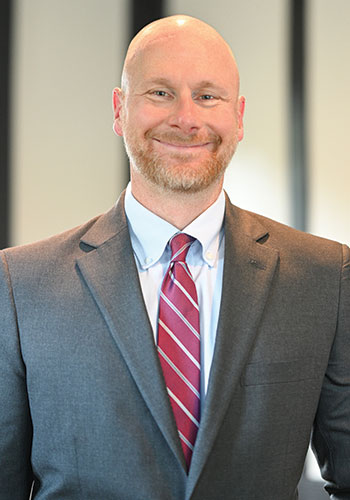
• Case volume rose after the pandemic, yet the same patterns persist. Families report pressure injuries, dehydration, infections, and preventable falls that flow from understaffing and missed basic care.
• Corporate ownership often siphons money away from bedside care. Facilities may meet paper staffing minimums, yet residents still go without needed attention.
• Records are hard to obtain and sometimes incomplete. Missing fall assessments or altered timelines can surface late in the process. This slows investigations and raises costs for families seeking answers.
• State and federal rules exist, but enforcement is inconsistent. Penalties often do not match the harm, which leaves weak incentives to fix the underlying problems.
• Pandemic era immunity laws in some states blunted accountability. Broad immunities that extended beyond true COVID care allowed poor practices to become ingrained.
How Matthew Christian Fits Into the Story
Matthew Christian was quoted in the coverage to provide a South Carolina perspective. His point was clear. Large corporate chains respond to financial accountability more than anything else. When facilities rack up serious deficiencies and residents get hurt, the most reliable path to change is a case that uncovers what happened, proves how the harm occurred, and forces payment that is large enough to affect corporate decision making. That is where focused litigation helps protect other residents too.
The Issues We See Most Often in South Carolina Cases
• Pressure injuries from being left in one position too long, sometimes progressing to advanced stages that expose muscle or bone
• Repeated falls due to missed assessments, lack of supervision, or broken safety procedures
• Dehydration and malnutrition when busy staff do not monitor fluid and food intake
• Infections tied to poor hygiene practices and missed wound care
• Medication errors when overworked teams miss five-rights checks or fail to escalate changes in condition

Everyone there was very professional, knowledgeable, and friendly. My car was totaled, and I was a little intimidated talking with a couple of other lawyers in Greenville. But with Christian and Christian, not only did they answer my questions, but they did so in a way that made what could have been a hectic situation, easy. Overall, an excellent experience with high quality lawyers who truly go above and beyond and really try to get you the results or answers you need.
—Rob Young
I met Josh like 4 years ago when my Son was injured at Daycare. He was very concerned about the well being of my Child and Me. Very Understanding Professional and Just a great Staff. If You need a Lawyer that’s all about YOU this is the Place. I just closed a Case on 6/23/2021 from a injury on a Property. They handled everything because no one else would help Me. I’m forever grateful for Your hard Work and Time. Once again Thank You Josh and Sally.
—Rezillai Henderson
My husband was referred to this law firm from another lawyer after his mother passed away while residing in a nursing home. Matt took on his case and we are pleased with how everything turned out. It took a long, long time to finally settle, but it was worth the wait. The staff here is friendly and I’d be happy to recommend them to anyone needing legal assistance.
— Jen
I was referred to Harold by a family friend, and I couldn’t be happier. He took the time to listen to my case, answered all my questions and truly treated me like a friend not a client. His knowledge of medical malpractice is priceless he actually successfully won, one of the first medical malpractice cases in Greenville County.
— Lindsey
How Our Approach Addresses the Barriers the Article Described
-
Preserve and Obtain Records Fast
We immediately request the full chart, staffing schedules, incident reports, care plans, risk assessments, medication administration records, and video where available. We compare these with hospital records and EMS reports to catch gaps. If items are missing or altered, we pursue sworn testimony and facility policies to reconstruct the truth. Learn more about the steps families can take to document abuse. -
Expose Real Staffing and Training Levels
We analyze timecards, assignments, and acuity. We line up what the resident needed with who was actually present. This shows whether the facility put profit before people, which supports liability and punitive exposure when available. -
Tie Violations to Harm With Independent Experts
Medical and nursing experts explain standards of care in plain language. They connect missed turning schedules, hydration plans, or infection control to the injury you see. This makes the causation story clear for adjusters and juries. -
Follow the Corporate Money
If ownership and management are split across multiple layers, we trace contracts and management fees. This helps show how funds left the bedside and who should be held responsible. -
Build for Trial From Day One
Negotiations move faster when the facility knows the case is ready for a jury. We prepare exhibits, timelines, and witness lists early. This reduces delays that often frustrate families.
Where to Learn More on Our Site
• Attorney profile for Matthew
• Nursing home abuse and neglect content hub
• Medical malpractice overview for related hospital negligence issues
• Case examples and outcomes
• Meet our team

What Families in the Carolinas Can Do Right Now
• Photograph pressure injuries, bruises, or unsafe conditions. Keep date stamps if possible.
• Request the full chart and plan of care in writing, including fall assessments and wound care notes.
• Keep a log of names, shift times, and what staff say.
• Move your loved one for medical safety if needed. Preserve the room as is until photos and videos are taken.
• Call an attorney who understands how corporate structures and staffing play into these cases.
How a Case Can Create Change Even When the System Is Slow
The article’s core message is that regulation and voluntary fixes have not kept pace with harm. A well built case can do more. It shines a light on policy failures, holds owners and managers to their promises, and sends a financial signal that cutting corners is not cheaper. Every verdict and meaningful settlement helps shift incentives toward safer staffing and better training.
When to Reach Out and What to Expect
Timing matters. In South Carolina, strict deadlines and notice rules apply. Early action helps protect evidence and your claim’s value. When you contact us, you get a free case review, a plan for records and experts, and consistent updates from a real person who knows your file. Call or message us today. We serve Greenville, Spartanburg, Anderson, and nearby communities across South Carolina.
Related Videos
Reporting Nursing Home Abuse
Nursing Home Case Value