
As winter’s chill sets in, the elderly, particularly those in nursing homes, face an increased risk of neglect. Cold weather can exacerbate existing medical conditions, compromise personal safety, and create an environment where basic needs are overlooked. Unfortunately, many elderly residents are not able to voice their concerns or take action on their own behalf, making it crucial for families and loved ones to stay vigilant.





This comprehensive guide will help you understand the common signs of nursing home neglect during the cold weather months. By recognizing these warning signs early, you can ensure that your loved one receives the care and attention they need during this vulnerable time.
The Impact of Cold Weather on Nursing Home Residents 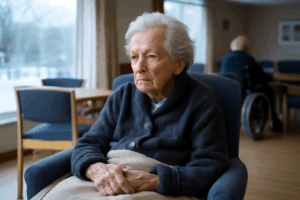
Colder temperatures increase the likelihood of several health issues for nursing home residents, many of whom are already at an elevated risk due to age and existing medical conditions. During winter, older adults are more susceptible to illnesses such as pneumonia, the flu, and hypothermia. They also face challenges in maintaining personal hygiene and mobility, which are crucial elements of their overall well-being.
Nursing homes must be proactive in addressing these risks, providing not only physical care but emotional support as well. Unfortunately, neglect can still occur when understaffed facilities fail to meet the extra demands placed on them during the winter months. The following are some of the most critical signs of neglect to watch out for during the cold weather season.
1. Inadequate Heating or Warmth in Living Areas
A key sign of neglect during colder months is inadequate heating within the nursing home facility. Inadequate heating or failing to maintain comfortable indoor temperatures can be extremely dangerous for elderly residents. Hypothermia, which is characterized by a dangerously low body temperature, can develop rapidly, even in relatively mild cold, particularly in those who are frail or have underlying health conditions.
If you notice that your loved one seems unusually cold or complains about being cold in their room or common areas, this is an immediate concern. Hypothermia in elderly individuals may not always be immediately obvious, so look for subtle signs such as shivering, fatigue, or a noticeable decline in energy levels.
Staff should also provide extra blankets, warm clothing, and other measures to ensure that residents are comfortable, even during particularly harsh weather. If you see a lack of effort in ensuring that your loved one stays warm, or if the heating system is not functioning properly, this is a warning sign that should not be ignored.
Founded in 1975, Christian & Christian has deep roots in the community. 
Only Serving People, Never Companies


2. Increased Incidents of Falls Due to Slippery Surfaces
Winter weather often brings snow and ice, creating hazardous conditions both inside and outside nursing homes. For elderly residents who may already have limited mobility, the risk of slipping and falling increases exponentially during the winter months. These falls can lead to serious injuries, such as broken bones, head trauma, and even death.
Nursing homes are legally required to maintain a safe environment for their residents. The floors should be kept dry, and staff must ensure that walkways are clear of ice and snow. If you notice that the walkways have not been salted or cleared, or if there are wet spots inside the building that haven’t been mopped up, this may indicate neglect. These minor oversights can have catastrophic consequences for elderly residents, so be sure to speak with nursing home management if you observe these hazards.
If your loved one suffers a fall during the winter months, especially if they were not assisted or monitored during potentially dangerous weather, ask about the circumstances of the incident. Find out whether the staff took appropriate steps to keep the environment safe and whether any medical treatments were provided immediately following the fall.
3. Neglect of Personal Hygiene and Basic Needs
Cold weather can make it more difficult for residents to maintain proper hygiene, especially if the staff does not prioritize personal care. Bathing and grooming are essential aspects of maintaining dignity and physical health, but during the winter months, residents may be less inclined to bathe due to the cold, or may struggle with mobility, making it harder to get assistance.
Everyone there was very professional, knowledgeable, and friendly. My car was totaled, and I was a little intimidated talking with a couple of other lawyers in Greenville. But with Christian and Christian, not only did they answer my questions, but they did so in a way that made what could have been a hectic situation, easy. Overall, an excellent experience with high quality lawyers who truly go above and beyond and really try to get you the results or answers you need. I met Josh like 4 years ago when my Son was injured at Daycare. He was very concerned about the well being of my Child and Me. Very Understanding Professional and Just a great Staff. If You need a Lawyer that’s all about YOU this is the Place. I just closed a Case on 6/23/2021 from a injury on a Property. They handled everything because no one else would help Me. I’m forever grateful for Your hard Work and Time. Once again Thank You Josh and Sally. My husband was referred to this law firm from another lawyer after his mother passed away while residing in a nursing home. Matt took on his case and we are pleased with how everything turned out. It took a long, long time to finally settle, but it was worth the wait. The staff here is friendly and I’d be happy to recommend them to anyone needing legal assistance. I was referred to Harold by a family friend, and I couldn’t be happier. He took the time to listen to my case, answered all my questions and truly treated me like a friend not a client. His knowledge of medical malpractice is priceless he actually successfully won, one of the first medical malpractice cases in Greenville County.
—Rob Young
—Rezillai Henderson
— Jen
— Lindsey
If you notice your loved one is unkempt, has poor hygiene, or hasn’t had a bath or shower in an extended period, it may be a sign that nursing home staff are neglecting basic care routines. Similarly, ensure that your loved one is properly dressed for the weather, including being given warm layers to wear indoors, as some nursing homes can be drafty or improperly heated.
Another area to monitor closely during the colder months is nutrition and hydration. During winter, the elderly are more likely to experience a decrease in appetite or forget to drink enough water, which can lead to dehydration. Nursing home staff should be proactively encouraging regular meals, hydration, and snacks, even if a resident isn’t showing strong signs of hunger. Watch for signs of dehydration, such as dry skin, cracked lips, or confusion, and ensure that staff is consistently providing fluids.
4. Delayed or Inadequate Medical Attention
The winter months bring an increased risk of respiratory issues, such as pneumonia and the flu, which can be life-threatening for elderly residents. If you notice that your loved one is exhibiting symptoms like coughing, difficulty breathing, or fever, it’s important to ensure that medical attention is provided immediately. Delays in treatment can lead to complications, particularly in the elderly.
Value of a Personal Injury Case Choosing a Personal Injury AttorneyRelated Videos
If nursing home staff seem slow to respond to signs of illness, or if your loved one is not receiving timely treatments or medications, this may indicate neglect. It’s crucial that the nursing home has clear protocols for dealing with illnesses, especially during cold and flu season. Check with the facility about how they’re addressing these risks and whether they’re taking preventive steps such as offering flu vaccinations to residents.
In addition, elderly residents may have chronic health conditions like diabetes, heart disease, or arthritis that need ongoing management. Any failure by the nursing home to keep up with these medical needs, such as missed doctor’s appointments, ignored medication schedules, or failure to monitor vital signs, is a form of neglect.
5. Emotional and Psychological Signs of Neglect
The cold weather and shorter days often lead to increased isolation and depression among nursing home residents. If your loved one appears unusually withdrawn, anxious, or sad, this could be a sign of emotional neglect. Depression is common during the winter months and can worsen without proper emotional support or social interaction.
The elderly can suffer greatly from loneliness, particularly if they’re not encouraged to participate in activities or if they don’t have regular visits from family or friends. If staff members are not making an effort to engage your loved one in meaningful activities, or if they’re not providing opportunities for socialization, your loved one may be experiencing emotional neglect.
Furthermore, emotional neglect can also show itself in the form of frustration or agitation, particularly when residents feel abandoned or ignored. Take note of any changes in behavior that might indicate a lack of proper emotional care.
Verdicts & Settlements
6. Unexplained Injuries or Poor Medical Records
In some cases, nursing home neglect can be hidden under the guise of an “accident.” If your loved one shows signs of injury, such as bruises, cuts, or strange marks, ask how they occurred. If there’s no clear explanation, or if the explanation seems inconsistent with the injury, it could indicate neglect or even abuse.
Additionally, keep an eye on your loved one’s medical records. Unexplained gaps or missing details in these records can be a sign of improper care or failure to document important incidents. If you’re concerned about any discrepancies in the documentation, ask the nursing home to provide a full explanation.
What to Do If You Suspect Neglect
If you suspect that your loved one is being neglected in their nursing home, it’s critical to take immediate action. Start by documenting everything you observe. Take notes, photos, and keep a record of conversations with staff members. You can also report your concerns to the state’s health department or an ombudsman, who can investigate the situation.
If the neglect continues despite your efforts to address it, it may be time to seek legal assistance. An attorney who specializes in nursing home abuse or neglect can help you understand your rights and explore options for holding the facility accountable.
At Christian & Christian Law, we have extensive experience in nursing home neglect cases and are committed to helping families secure justice for their loved ones. If you’re concerned about the care your family member is receiving during the colder months, don’t hesitate to reach out for a consultation.
To learn more about this subject click here: How to Gather Evidence for a Nursing Home Negligence Lawsuit