
When a family member is placed in a nursing home, the expectation is that they will receive the best care possible. These facilities are entrusted with the well-being of vulnerable individuals, many of whom are elderly or suffering from chronic health conditions. However, nursing home neglect, particularly in its early stages, often goes unnoticed. This oversight can lead to worsening conditions, which might take a toll on the loved one’s health and safety.





It’s important for families to be vigilant about the signs of neglect that may not be immediately obvious. The subtle clues can be easy to miss, especially when you’re focused on trusting the institution to provide care. Below, we’ll cover some of the more common signs of nursing home neglect that many families overlook, and provide advice on what you can do if you suspect your loved one is being neglected.
Understanding Nursing Home Neglect 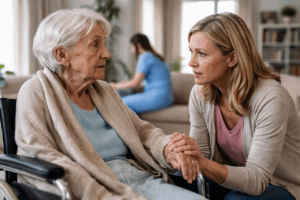
Nursing home neglect can take many forms, ranging from the failure to provide adequate nutrition and hydration, to neglecting medical care and emotional well-being. At its core, neglect happens when caregivers fail to meet the basic needs of the residents in their care, whether intentionally or due to insufficient staffing, poor training, or an overall lack of concern for the residents’ well-being. Neglect can be emotional, physical, medical, or a combination of all three.
While many families are aware of more extreme cases of neglect—such as physical abuse or extreme malnutrition—early signs of neglect often slip under the radar. It’s important to be able to identify those early signs, as they can make the difference between catching a problem early and allowing it to escalate into something more serious.
Subtle Behavioral Changes: A Sign of Emotional Neglect
One of the most subtle indicators of neglect is a change in the behavior or emotional state of your loved one. Many people assume that a person who has entered a nursing home may naturally become withdrawn or depressed. However, significant and unexplained changes in mood, particularly if they happen suddenly, should raise a red flag.
If your loved one is suddenly anxious, scared, or seems more withdrawn than usual, it could be a sign that something is wrong in the facility. These changes in behavior may result from a lack of attention, inadequate staffing, or even mistreatment by staff members. For example, a resident who is left alone for long periods of time may feel isolated, contributing to anxiety and depression.
It’s also worth noting that elderly individuals who suffer from cognitive impairments, such as Alzheimer’s or dementia, may not always be able to express their distress clearly. However, if their behavior changes significantly, it is important to consider the possibility of emotional neglect.
Physical Symptoms of Neglect: More Than Just Cuts and Bruises
Physical signs of neglect are often more apparent but may still go unnoticed. For example, bruises, cuts, or other injuries that are not properly explained or treated can indicate neglect. While minor injuries may occur from time to time, frequent or unexplained injuries could be a sign that the facility is not providing adequate supervision or care.
Another common sign of neglect is untreated or poorly managed wounds. Bedsores, for instance, are a serious concern in nursing homes, especially among individuals who are bedridden or have limited mobility. These sores form when pressure is applied to the same area for long periods of time, and they can become infected if not treated properly. If you notice any bedsores or signs of infections that are not being addressed by the nursing staff, it’s important to bring this to their attention immediately.
The Importance of Hygiene: When Cleanliness Falls Through the Cracks
Nursing homes are required to maintain a clean and safe environment for their residents. This includes ensuring that residents are bathed regularly, that their clothes are clean, and that their living spaces are well-maintained. If you visit your loved one and notice that they are unkempt or that their room is dirty, this could be a sign that the facility is not providing proper care.
Hygiene neglect is particularly concerning because it can lead to a variety of other health issues. Poor hygiene can result in infections, rashes, or even more severe conditions like urinary tract infections (UTIs), which are common among nursing home residents. These types of infections are often preventable with proper care and attention. If your loved one is experiencing a decline in hygiene, it may be worth addressing the issue with the nursing home’s management team.
Everyone there was very professional, knowledgeable, and friendly. My car was totaled, and I was a little intimidated talking with a couple of other lawyers in Greenville. But with Christian and Christian, not only did they answer my questions, but they did so in a way that made what could have been a hectic situation, easy. Overall, an excellent experience with high quality lawyers who truly go above and beyond and really try to get you the results or answers you need. I met Josh like 4 years ago when my Son was injured at Daycare. He was very concerned about the well being of my Child and Me. Very Understanding Professional and Just a great Staff. If You need a Lawyer that’s all about YOU this is the Place. I just closed a Case on 6/23/2021 from a injury on a Property. They handled everything because no one else would help Me. I’m forever grateful for Your hard Work and Time. Once again Thank You Josh and Sally. My husband was referred to this law firm from another lawyer after his mother passed away while residing in a nursing home. Matt took on his case and we are pleased with how everything turned out. It took a long, long time to finally settle, but it was worth the wait. The staff here is friendly and I’d be happy to recommend them to anyone needing legal assistance. I was referred to Harold by a family friend, and I couldn’t be happier. He took the time to listen to my case, answered all my questions and truly treated me like a friend not a client. His knowledge of medical malpractice is priceless he actually successfully won, one of the first medical malpractice cases in Greenville County.
—Rob Young
—Rezillai Henderson
— Jen
— Lindsey
Medical Neglect: Failing to Provide Proper Care
One of the most concerning forms of neglect in nursing homes is medical neglect. This occurs when a resident’s medical needs are not properly addressed, whether it’s missing medications, not receiving necessary treatments, or failing to monitor their health condition appropriately.
For instance, if your loved one’s prescription medications are not being administered as prescribed, or if they are frequently missing doses, this could lead to serious health consequences. Additionally, untreated health conditions or delayed medical interventions may result in worsening conditions or unnecessary pain and suffering.
Residents who require specialized care, such as physical therapy or assistance with mobility, should be given the necessary support. If your loved one is not receiving the treatments or therapies they need, their health could be deteriorating more rapidly than necessary.
Block "videos-personal-injury" not found
Inconsistent Staffing and Poor Supervision
Another sign of potential neglect is inconsistent staffing levels or poor supervision. If the nursing home is understaffed or has high turnover rates, this can result in a lack of attention for the residents. Caregivers may not have enough time to give each resident the individualized care they need, and this can lead to neglect in various forms, from improper medication management to missed meals.
It’s also essential for families to ensure that the staff is properly trained to meet the specific needs of elderly residents, particularly those with complex medical conditions. Lack of training or experience can lead to improper care, especially for residents who require assistance with activities of daily living, such as bathing, eating, or dressing.
Unexplained Weight Loss or Malnutrition
Another sign that can be easy to overlook is unexplained weight loss or malnutrition. If your loved one is not eating regularly, or if they are consistently losing weight without a known medical reason, it may be a sign that they are not being properly fed or that their dietary needs are not being met. This can occur if staff members are not properly assisting residents during meals, or if food is not being prepared or served correctly.
Malnutrition is particularly concerning for elderly residents, as it can weaken their immune system, lead to further health complications, and delay recovery from illness or surgery. Regular monitoring of food intake and nutrition is essential in nursing home care, and if this is not happening, it may be a sign of neglect.
What Families Can Do If They Suspect Neglect
If you suspect that your loved one is experiencing neglect, it’s important to take immediate action. Here’s what you can do:
- Document Everything: Keep detailed notes of any signs of neglect you notice, including dates, times, and specific behaviors or conditions. This documentation can be crucial if you decide to take further action.
- Talk to the Staff: Don’t hesitate to ask questions about your loved one’s care. Speak directly to the nursing home staff and management to express your concerns and see if the issues can be resolved.
- Visit Regularly: Regular visits allow you to monitor the care your loved one is receiving. If possible, visit at different times of the day to get a more accurate picture of their experience.
- Seek Legal Help: If you feel that the neglect is severe or ongoing, consider consulting with a lawyer who specializes in nursing home abuse and neglect cases. They can guide you on the next steps to protect your loved one’s rights.
Nursing home neglect can be difficult to spot in its early stages, but with careful attention and vigilance, families can identify potential issues before they escalate into more severe problems. By looking for subtle signs such as changes in behavior, physical symptoms, and hygiene neglect, families can ensure that their loved ones are receiving the care they deserve. If you ever suspect neglect, it’s essential to take action quickly to protect your loved one’s health and well-being.
At Christian & Christian Law, we are dedicated to helping families navigate the complexities of nursing home neglect cases. If you believe your loved one is being neglected or abused, don’t hesitate to reach out to us for a consultation. We’re here to fight for the justice and care your family deserves.
To learn more about this subject click here: How to Gather Evidence for a Nursing Home Negligence Lawsuit