Yes. Flu season can make nursing home staffing shortages worse when influenza and other respiratory illnesses increase employee absences at the same time residents need closer observation, infection-control measures, medication support, hydration, and medical attention. If a Greenville nursing home is short-staffed, caregivers may have less time to answer call lights, help with toileting, reposition residents, assist with meals, monitor wounds, supervise residents at risk of falls, and recognize changes in condition.
Christian & Christian Law helps families in Greenville, South Carolina, and nearby Upstate communities evaluate whether a preventable injury may be connected to nursing home neglect or understaffing. A staffing shortage does not automatically establish negligence. Repeated missed care, delayed treatment, poor infection control, or an unexplained decline can justify a closer review of what happened.
A staffing shortage becomes a legal concern when resident needs go unmet and the lapse contributes to preventable harm.



Why Flu Season Can Put More Pressure on Nursing Home Staffing 
Flu season can put more pressure on nursing home staffing because employees may become ill, need to care for sick family members, or need to remain away from residents while contagious. At the same time, residents may need more observation and hands-on care because influenza can cause fever, weakness, breathing problems, appetite changes, or other symptoms.
The Centers for Disease Control and Prevention reports that influenza outbreaks occur in long-term care facilities and that health care personnel absenteeism is typically higher during influenza season. The CDC also identifies adults age 65 and older as a group at higher risk for serious flu complications.
A facility with limited staffing may have less flexibility when several employees are absent during the same shift. Supervisors may reassign employees, use temporary staff, extend shifts, or increase caregiver assignments. Those responses do not automatically mean that care is negligent. The concern is whether staffing problems lead to missed resident needs, delayed care, or preventable injury.
What Can Go Wrong When Too Few Caregivers Are Available?
When too few caregivers are available, basic care can be delayed or missed. A resident with dementia may need frequent reminders to drink. A resident with limited mobility may need two staff members for a safe transfer. A resident at risk for pressure injuries may need scheduled repositioning. A resident with swallowing problems may need direct meal supervision.
Possible problems can include:
- Call lights going unanswered for extended periods
- Missed or delayed toileting assistance
- Residents attempting unsafe transfers without help
- Medication delays or administration errors
- Missed repositioning or skin checks
- Incomplete meal or hydration assistance
- Delayed recognition of fever, breathing changes, confusion, weakness, or other changes in condition
- Poor isolation or infection-control practices
- Inadequate supervision for residents at risk of wandering or falling
- Delayed communication with physicians, nurses, or family members
For more information about nursing home abuse and neglect in Greenville, visit:
https://www.cclawfirm.com/greenville-nursing-home-abuse-lawyers/
Founded in 1975, Christian & Christian has deep roots in the community. 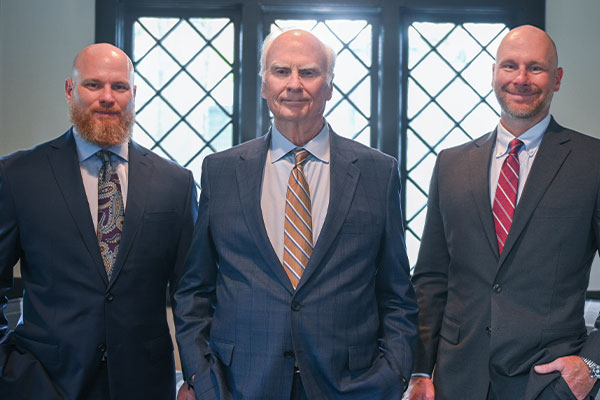
Only Serving People, Never Companies


Why Flu Season Can Be Especially Hard on Frail Residents
Flu season can be especially hard on frail residents because older adults may not show the same symptoms that younger people show. CDC clinical guidance states that many people with influenza do not have a fever, especially older adults, and that frail older adults in long-term care facilities can have atypical symptoms such as mental-status changes, behavioral changes, or loss of appetite.
Those changes can be easier to miss when caregivers are rushed or unfamiliar with the resident. A temporary employee may not know that a resident is usually talkative, walks to the dining room every morning, or needs repeated reminders to drink. Staff members who know a resident’s usual condition may be more likely to notice a meaningful change.
If you notice a sudden change in your loved one’s alertness, appetite, breathing, mobility, hydration, or behavior, ask the nursing home what changed, when staff first noticed it, and what steps were taken in response.
What Federal Rules Require From Nursing Homes
Federal nursing home rules require facilities participating in Medicare or Medicaid to have sufficient nursing staff with the competencies and skills needed to provide nursing and related services based on resident assessments, care plans, and the needs of the resident population. Current federal rules also generally require registered nurse services for at least eight consecutive hours a day, seven days a week, subject to specified waivers.
In 2024, the Centers for Medicare & Medicaid Services finalized a rule that included national minimum staffing-hour requirements and a requirement for registered nurse coverage 24 hours a day, seven days a week. Congress later blocked implementation, administration, or enforcement of those minimum staffing provisions until after September 30, 2034. CMS then repealed the affected quantitative staffing provisions in an interim final rule that became effective February 2, 2026.
The repealed provisions included the 24-hour registered nurse requirement and minimum staffing levels of 3.48 total nurse staffing hours per resident day, including 0.55 registered nurse hours and 2.45 nurse aide hours per resident day. Those quantitative minimums are not part of the current federal staffing standard.
Federal regulations still require nursing homes to establish and maintain an infection prevention and control program designed to help prevent the development and transmission of communicable diseases and infections. The rules include surveillance, reporting, precautions, isolation practices when appropriate, employee restrictions in certain circumstances, hand hygiene procedures, and influenza immunization policies for residents.
For you and your family, the practical question is whether the nursing home had enough qualified staff, with appropriate supervision and planning, to provide the care your loved one actually needed.
Everyone there was very professional, knowledgeable, and friendly. My car was totaled, and I was a little intimidated talking with a couple of other lawyers in Greenville. But with Christian and Christian, not only did they answer my questions, but they did so in a way that made what could have been a hectic situation, easy. Overall, an excellent experience with high quality lawyers who truly go above and beyond and really try to get you the results or answers you need. I met Josh like 4 years ago when my Son was injured at Daycare. He was very concerned about the well being of my Child and Me. Very Understanding Professional and Just a great Staff. If You need a Lawyer that’s all about YOU this is the Place. I just closed a Case on 6/23/2021 from a injury on a Property. They handled everything because no one else would help Me. I’m forever grateful for Your hard Work and Time. Once again Thank You Josh and Sally. My husband was referred to this law firm from another lawyer after his mother passed away while residing in a nursing home. Matt took on his case and we are pleased with how everything turned out. It took a long, long time to finally settle, but it was worth the wait. The staff here is friendly and I’d be happy to recommend them to anyone needing legal assistance. I was referred to Harold by a family friend, and I couldn’t be happier. He took the time to listen to my case, answered all my questions and truly treated me like a friend not a client. His knowledge of medical malpractice is priceless he actually successfully won, one of the first medical malpractice cases in Greenville County.
—Rob Young
—Rezillai Henderson
— Jen
— Lindsey
When Staffing Shortages May Point to Nursing Home Neglect
Staffing shortages may point to nursing home neglect when a lack of staff is connected to missed care and resulting harm. Understaffing by itself does not establish a legal claim. A nursing home can face workforce challenges and still provide appropriate care. A claim generally depends on the duties the facility owed, whether those duties were breached, and whether the failure caused injury or loss.
A case may deserve closer review when staffing problems are connected to:
- A preventable fall
- A pressure injury
- Dehydration or malnutrition
- A medication error
- An untreated or delayed diagnosis of infection
- Delayed hospitalization
- Poor hygiene
- Elopement or unsafe wandering
- An unexplained physical or cognitive decline
Consider a hypothetical example. A Greenville nursing home resident has dementia, needs help drinking fluids, and requires assistance to use the bathroom. During a flu outbreak, several employees are absent. The resident’s call light is repeatedly unanswered, meals and fluids remain untouched, and staff do not document intake. Two days later, the resident is hospitalized for dehydration and a urinary tract infection.
The hospitalization alone would not prove neglect. Questions would include what the care plan required, what staff knew about the resident’s risks, whether the facility had a staffing contingency plan, whether required care was provided, and whether missed care contributed to the resident’s condition.
For answers to common questions about nursing home neglect, visit:
https://www.cclawfirm.com/faq/greenville-nursing-home-neglect-faq/
Value of a Personal Injury Case
Choosing a Personal Injury Attorney
Related Videos
Warning Signs You Should Watch During Flu Season
Warning signs during flu season can appear in both the resident and the facility. One delayed call light does not necessarily show that a nursing home is unsafe. A repeated pattern of missed care deserves more attention.
Possible warning signs include:
- Residents remaining in soiled clothing or bedding
- Meals left untouched without follow-up
- Water placed out of reach
- New pressure injuries or worsening skin problems
- Repeated falls
- Poor grooming or hygiene
- Unexplained weight loss
- Medication delays
- Call lights that routinely go unanswered
- New confusion, weakness, behavior changes, or loss of appetite without a clear response
- Staff members who appear unable to complete basic care tasks
- Frequent use of unfamiliar temporary or agency staff
- Repeated unit changes
- Conflicting explanations about what happened
- Long delays when you ask to speak with a nurse
- Staff reports of serious shortages that appear consistent with missed resident care
If you suspect nursing home abuse or neglect, review these steps:
https://www.cclawfirm.com/what-to-do-if-you-suspect-nursing-home-abuse/
If you are considering moving your loved one because of unsafe care, review:
https://www.cclawfirm.com/what-to-do-when-removing-a-loved-one-from-an-abusive-nursing-home/
Verdicts & Settlements
What Evidence Can Help Show Whether Understaffing Caused Harm?
Evidence can help show whether understaffing caused harm by comparing the care your loved one needed with the care that was actually provided. Nursing home cases often depend on records, staffing information, witness accounts, and the timing of changes in a resident’s condition.
Useful evidence may include:
- The resident’s care plan
- Medical records
- Medication administration records
- Treatment administration records
- Wound-care records
- Food and fluid intake records
- Incident reports
- Staffing schedules
- Assignment sheets
- Employee time records
- Payroll-Based Journal staffing data
- Internal messages or communications
- Facility staffing and infection-control policies
- Hospital records
- Photographs
- Surveillance footage, when available
- Statements from residents, family members, staff, or other witnesses
An attorney may compare the resident’s documented needs with staffing and care records to determine whether required care was missed. Nursing or medical professionals may also be asked to evaluate whether a lapse in care contributed to an injury or decline.
If you are concerned about a serious event, preserve the records, photographs, messages, and other information already available to you. Some evidence, including surveillance footage, may not be retained indefinitely.
South Carolina Filing Deadlines Can Affect Nursing Home Claims
South Carolina filing deadlines can affect nursing home claims, and the correct deadline depends on the legal theory and facts. South Carolina Code Section 15-3-530 provides a three-year limitations period for certain personal injury actions. Medical malpractice claims are addressed separately under Section 15-3-545, which generally provides three years from the treatment, omission, or operation giving rise to the claim, or from discovery when it reasonably should have been discovered, subject to a six-year outer limit and specific exceptions.
A nursing home case can involve ordinary negligence, medical negligence, wrongful death, government involvement, incapacity, fraud, or other facts that affect the deadline. You should not assume that every nursing home claim has the same filing period.
Prompt review can also matter before a deadline expires because records may be harder to obtain later, surveillance footage may be overwritten, and witnesses may become more difficult to locate.
For more information about how a Greenville nursing home abuse case may develop, visit:
https://www.cclawfirm.com/greenville-nursing-home-abuse-lawyers/nursing-home-abuse-case-timeline/
Speak With a Greenville Nursing Home Neglect Attorney
If your loved one suffered a fall, infection-related decline, dehydration, pressure injury, medication problem, hospitalization, or another serious event while a Greenville nursing home was short-staffed during flu season, you can ask Christian & Christian Law to review what happened.
The firm has served injured people in Greenville and South Carolina since 1975 and offers free legal consultations. A case review may include the care plan, medical records, staffing information, infection-control issues, witness accounts, and evidence showing what the facility knew before the injury occurred.
Call (864) 408-8883 to discuss your situation.
tel:+18644088883
You can also contact the firm online:
https://www.cclawfirm.com/contact-us/
No attorney can promise a particular result. An early review can help identify relevant records, preserve available evidence, and clarify which legal options may apply.
This article is for informational purposes only and is not legal advice. Consult an attorney about your specific situation.