In Greenville, South Carolina, spring brings both renewal and risk. Rain, thawing ground, and increased moisture can turn construction sites into hazardous areas where even routine tasks become perilous. Christian & Christian Law frequently sees cases where construction workers experience falls due to wet conditions, leading to injuries that extend beyond typical workers’ compensation coverage. While workers’ compensation provides essential medical benefits and wage replacement for on-the-job injuries, there are situations where a third party’s negligence—such as a contractor, equipment manufacturer, or property owner—may make additional personal injury claims possible. Recognizing these scenarios early can significantly impact the compensation available and ensure injured workers have access to the full spectrum of legal remedies.



Understanding Wet Surface Hazards 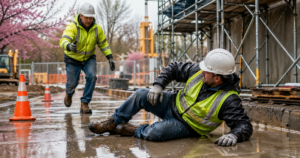
Wet spring conditions can create a variety of hazards on construction sites. Surfaces that are normally stable can become dangerously slippery when rainwater pools on floors, scaffolds, and ladders. Puddles may conceal debris or uneven surfaces, increasing the likelihood of a misstep. Even minor slopes become dangerous when water reduces traction, and improperly secured equipment or tarps can create hidden risks. Workers may underestimate the danger or assume that standard safety protocols are sufficient, but wet conditions can compromise even the most carefully designed safety measures. According to local Greenville occupational safety records, slips, trips, and falls are among the leading causes of serious injuries during spring months, demonstrating that these conditions require heightened vigilance from both employees and employers.
Common Types of Falls
Construction falls in wet conditions take many forms. Ladder accidents often occur when rungs are slippery or the ladder is positioned on soft, waterlogged ground. Scaffold-related incidents can arise when water accumulation reduces footing or when guardrails fail. Workers may slip on unfinished flooring, unguarded edges, or temporary walkways, which are particularly dangerous if they are elevated. Tools, cords, and building materials become slick and unstable in wet conditions, further complicating the work environment. Falls from roofs, stairs, or ramps remain prevalent hazards, especially if workers are carrying heavy materials or equipment that compromise balance. Each scenario poses a unique set of challenges, and understanding the potential causes is essential to protecting your rights and safety.
Founded in 1975, Christian & Christian has deep roots in the community. 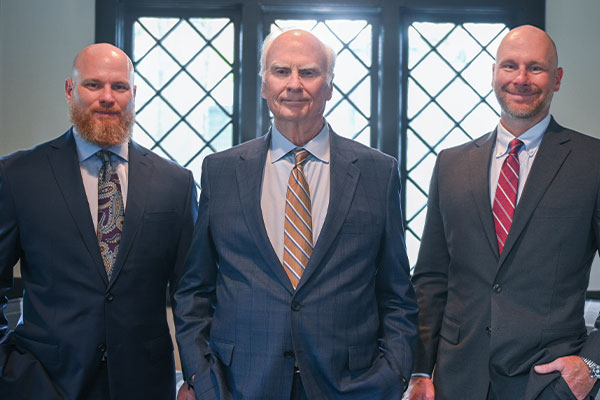
Only Serving People, Never Companies


When Workers’ Compensation May Not Be Enough
Workers’ compensation is designed to cover most on-the-job injuries, including medical care and lost wages. However, it does not account for damages that may result from third-party negligence. If a subcontractor fails to maintain safe equipment, a property owner neglects safety requirements, or a manufacturer produces defective protective gear, a personal injury claim may be warranted. Pursuing a claim against a responsible third party can recover compensation for pain and suffering, permanent disability, and long-term economic losses that workers’ compensation alone cannot address. Christian & Christian Law emphasizes the importance of identifying potential third-party liability early to avoid missing critical deadlines and maximize recovery.
Immediate Steps After a Construction Fall
The steps you take immediately after a fall can significantly affect the outcome of any claim. First, obtain prompt medical care. Even injuries that seem minor can worsen if untreated, and documented medical evaluations establish a critical record of the incident. Notify your employer following company protocols for workplace injuries. This ensures proper documentation within the workers’ compensation system. Document the accident scene thoroughly. Take photographs of wet surfaces, equipment, and potential hazards. Collect witness statements from coworkers or visitors who observed the incident. Preserve all records, including medical bills, work logs, and communications related to the accident. The combination of medical evidence, detailed documentation, and corroborating testimony is invaluable in proving negligence and supporting additional claims beyond workers’ compensation.
Evidence for Third-Party Claims
Establishing a third-party claim requires evidence that the injury was caused, at least in part, by someone other than the employer. Proof may include safety inspection records showing ignored maintenance, photographic evidence of unsafe scaffolding or ladders, and logs demonstrating repeated exposure to hazardous conditions. Expert testimony can help establish industry standards and demonstrate deviations from accepted practices. For example, a subcontractor failing to secure a scaffold properly in wet conditions may be found liable for resulting injuries. Identifying all responsible parties, including manufacturers or property owners, strengthens the case and increases the potential for full compensation.
Everyone there was very professional, knowledgeable, and friendly. My car was totaled, and I was a little intimidated talking with a couple of other lawyers in Greenville. But with Christian and Christian, not only did they answer my questions, but they did so in a way that made what could have been a hectic situation, easy. Overall, an excellent experience with high quality lawyers who truly go above and beyond and really try to get you the results or answers you need. I met Josh like 4 years ago when my Son was injured at Daycare. He was very concerned about the well being of my Child and Me. Very Understanding Professional and Just a great Staff. If You need a Lawyer that’s all about YOU this is the Place. I just closed a Case on 6/23/2021 from a injury on a Property. They handled everything because no one else would help Me. I’m forever grateful for Your hard Work and Time. Once again Thank You Josh and Sally. My husband was referred to this law firm from another lawyer after his mother passed away while residing in a nursing home. Matt took on his case and we are pleased with how everything turned out. It took a long, long time to finally settle, but it was worth the wait. The staff here is friendly and I’d be happy to recommend them to anyone needing legal assistance. I was referred to Harold by a family friend, and I couldn’t be happier. He took the time to listen to my case, answered all my questions and truly treated me like a friend not a client. His knowledge of medical malpractice is priceless he actually successfully won, one of the first medical malpractice cases in Greenville County.
—Rob Young
—Rezillai Henderson
— Jen
— Lindsey
South Carolina Statute of Limitations
Personal injury claims in South Carolina generally have a three-year statute of limitations under SC Code §15-3-530. Workers’ compensation claims typically have shorter filing deadlines, making timely legal consultation essential. Missing these deadlines can result in a permanent loss of legal rights. Consulting with a Greenville attorney experienced in both workers’ compensation and personal injury law ensures that all claims are filed promptly and that your legal strategy aligns with state-specific rules and timelines.
The Role of an Attorney
An experienced attorney can help navigate the complexities of pursuing a claim that extends beyond workers’ compensation. They can investigate the accident site, gather evidence, coordinate with medical professionals, negotiate with insurance companies, and represent clients in court if necessary. Attorneys ensure that injured workers receive full compensation for their injuries and related economic losses. Christian & Christian Law has extensive experience assisting clients with construction-related falls, providing guidance on identifying responsible parties, assessing claims, and pursuing maximum recovery in compliance with South Carolina law.
Value of a Personal Injury Case
Choosing a Personal Injury Attorney
Related Videos
Realistic Case Scenario
Consider a Greenville worker who slipped on water pooled around a ladder on a wet job site. While workers’ compensation covered immediate medical expenses, the ladder manufacturer and a subcontractor responsible for site safety were later identified as potential third-party defendants. A personal injury claim allowed recovery for lost wages, ongoing disability, and pain and suffering, demonstrating the importance of pursuing all available legal avenues. Thorough documentation, prompt reporting, and professional legal guidance were crucial to the successful outcome.
Prevention Strategies for Construction Companies
Employers can reduce fall risks by implementing comprehensive safety measures, especially during wet spring months. Strategies include inspecting and securing ladders and scaffolds, providing non-slip footwear and surfaces, establishing clear drainage systems, and offering training on wet-weather hazards. Ensuring that subcontractors adhere to safety protocols and regularly monitoring job sites can prevent injuries and reduce liability exposure. These proactive measures not only protect workers but also demonstrate due diligence if a claim arises.
Importance of Documentation
Accurate and detailed documentation is critical in construction fall incidents. Photos of the accident site, logs of safety inspections, maintenance records, and witness statements provide concrete evidence of hazardous conditions. Medical records demonstrating the severity of injuries further support claims. Comprehensive documentation strengthens negotiations with insurers and serves as a foundation for legal action if necessary.
Verdicts & Settlements
Construction falls during Greenville’s wet spring conditions present serious risks that can lead to injuries exceeding workers’ compensation coverage. Understanding your rights, documenting the incident, and consulting an experienced attorney are essential steps for protecting recovery options. Christian & Christian Law has extensive experience guiding clients through these complex cases, from workers’ compensation claims to personal injury lawsuits involving third-party liability. Contact our office today to schedule a free consultation and ensure your legal rights are fully protected.
Disclaimer
This information is intended for educational purposes and does not constitute legal advice. Consult an attorney for advice regarding your specific situation.
To learn more about this subject click here: Common Causes of Construction Accidents in South Carolina

 National Trial Lawyers: Medical Malpractice Top 100 in the U.S. (Top 25 for S.C.)  Nursing Home : Top 10 Trial Lawyers Association |  Expertise.com: Best Personal Injury Lawyers in Greenville |