Choking incidents in nursing homes, particularly during communal events like holiday meals, are tragic and often preventable. South Carolina families whose loved ones experience choking while in the care of a nursing home may have grounds for legal action. This blog post outlines the potential liabilities of nursing facilities in such cases and offers guidance for families seeking justice.



Understanding Facility Liability for Choking Incidents 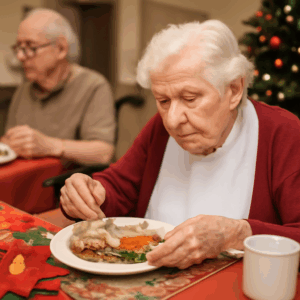
Choking incidents are among the most serious health risks in nursing homes, particularly during shared meals when residents often congregate to eat together. Nursing homes have a legal and moral obligation to ensure the safety of their residents, and this responsibility extends to managing the risks associated with eating. The risk of choking is heightened in elderly individuals who may suffer from swallowing difficulties due to age-related health issues such as dementia, Parkinson’s disease, or stroke. These conditions often affect a person’s ability to swallow food properly, making it imperative for nursing homes to put proper procedures in place to prevent choking.
When a choking incident occurs during a holiday meal or any other communal event, it can have devastating consequences for the resident involved. Families may wonder whether the nursing home is responsible for the injury or death, and the answer depends on a few key factors. Nursing homes can be held liable for choking incidents if they failed to meet certain standards of care. Here’s how:
- Inadequate supervision during meals: Nursing homes are required to ensure that residents who are at high risk of choking are closely monitored while eating. This includes assigning staff to observe residents, particularly those with known swallowing difficulties.
- Failure to follow individualized care plans: Many residents with swallowing difficulties or specific medical needs related to eating will have an individualized care plan that outlines specific precautions. If a nursing home fails to follow these plans and a choking incident occurs, they may be held liable.
- Lack of proper staff training: Staff must be trained to handle choking emergencies and recognize when a resident is in distress. Failure to adequately train staff on how to respond to a choking incident can lead to legal consequences for the facility.
- Improper meal preparation or modification: For residents who require special diets due to swallowing difficulties or other medical conditions, nursing homes must ensure that food is prepared in a way that minimizes choking risks. If food is not properly modified or cut, it can lead to avoidable accidents.
If these standards were not met and a choking incident occurs, the nursing home could be held liable for the injury or death that resulted.
Founded in 1975, Christian & Christian has deep roots in the community. 
Only Serving People, Never Companies


Nursing Home Responsibility and Preventing Choking
Nursing homes are charged with providing care that prioritizes the safety of residents, especially during routine activities such as eating. The prevention of choking involves both proactive and reactive measures. Proactive measures include:
- Screening for swallowing difficulties: Nursing homes must assess residents for any swallowing issues that could increase the risk of choking. This can be done through assessments by speech therapists or other medical professionals.
- Adjusting food consistency: For residents with dysphagia (swallowing difficulties), food should be modified to prevent choking. This could mean pureeing foods or cutting them into small, manageable pieces.
- Regular monitoring and supervision: All residents should be monitored during meal times, and those at risk for choking should be provided with closer supervision.
- Training staff on choking protocols: Staff should undergo regular training on the signs of choking and how to respond swiftly in the event of an emergency.
If a choking incident occurs despite these precautions, it’s important for nursing homes to have a clear response protocol, which includes immediate medical attention, as well as documentation of the incident.
Everyone there was very professional, knowledgeable, and friendly. My car was totaled, and I was a little intimidated talking with a couple of other lawyers in Greenville. But with Christian and Christian, not only did they answer my questions, but they did so in a way that made what could have been a hectic situation, easy. Overall, an excellent experience with high quality lawyers who truly go above and beyond and really try to get you the results or answers you need. I met Josh like 4 years ago when my Son was injured at Daycare. He was very concerned about the well being of my Child and Me. Very Understanding Professional and Just a great Staff. If You need a Lawyer that’s all about YOU this is the Place. I just closed a Case on 6/23/2021 from a injury on a Property. They handled everything because no one else would help Me. I’m forever grateful for Your hard Work and Time. Once again Thank You Josh and Sally. My husband was referred to this law firm from another lawyer after his mother passed away while residing in a nursing home. Matt took on his case and we are pleased with how everything turned out. It took a long, long time to finally settle, but it was worth the wait. The staff here is friendly and I’d be happy to recommend them to anyone needing legal assistance. I was referred to Harold by a family friend, and I couldn’t be happier. He took the time to listen to my case, answered all my questions and truly treated me like a friend not a client. His knowledge of medical malpractice is priceless he actually successfully won, one of the first medical malpractice cases in Greenville County.
—Rob Young
—Rezillai Henderson
— Jen
— Lindsey
What South Carolina Families Should Do After a Choking Incident
If your loved one has suffered from a choking incident at a South Carolina nursing home, it is crucial to act swiftly to protect their health and legal rights. Here’s what to do after such an incident:
- Seek immediate medical attention: Even if the choking seems to have stopped, it’s important to have a medical professional evaluate the individual. Choking can lead to long-term complications, including damage to the throat or respiratory issues, which may not be immediately visible.
- Report the incident: Notify the nursing home management and file a formal report about the incident. This ensures there is a record of the event, which can be useful if legal action is taken later.
- Preserve evidence: Keep detailed records of the incident, including medical records, photographs of injuries (if any), and any other relevant documentation. This can be crucial if you pursue legal action later.
- Gather witness statements: If there were any witnesses to the choking incident (other residents, staff, or family members), obtain their statements. Witness testimony can help clarify what happened and whether the nursing home acted negligently.
- Consult a nursing home abuse or negligence attorney: Legal representation is key. A qualified attorney with experience in nursing home negligence can help you understand your rights and determine whether the facility can be held liable for the incident.
Value of a Personal Injury Case
Choosing a Personal Injury Attorney
Related Videos
Legal Options for Families in South Carolina
South Carolina law provides families with options if their loved one has suffered harm due to nursing home negligence. Depending on the circumstances of the choking incident, families may be able to pursue a lawsuit for:
- Negligence: This is the most common legal claim in cases involving nursing home abuse or neglect. If the facility failed to adhere to safety protocols, they may be liable for the injuries caused by the choking incident.
- Wrongful death: If the choking incident led to the death of a loved one, families may file a wrongful death claim to recover damages for the loss of life.
- Compensation for medical costs: Families may be entitled to compensation for medical expenses incurred as a result of the choking incident, including ambulance services, hospital stays, treatments, and rehabilitation.
- Pain and suffering: If the choking incident caused significant physical or emotional distress, families may seek compensation for pain and suffering experienced by the victim or their family members.
- Punitive damages: In cases of egregious negligence or misconduct, punitive damages may be awarded to punish the nursing home for its actions and deter future incidents.
Conclusion
Nursing homes have a duty to protect their residents, particularly during meals when the risk of choking is high. If a choking incident occurs, it’s essential for families to understand their legal options and take swift action. South Carolina families who suspect nursing home negligence should consult with an experienced attorney to explore their options for justice and compensation. At Christian & Christian Law, we specialize in nursing home negligence cases and are committed to helping families seek justice for their loved ones.
If your loved one has been injured or harmed in a nursing home, don’t hesitate to contact us for a free consultation. We will review your case and help you understand your legal rights.
To learn more about this subject click here: How to Document and Report Nursing Home Abuse

|
The National Trial Lawyers: Top 100
Medical Malpractice: Top 25 Trial Lawyers Association
The National Trial Lawyers: Trucking Trial Lawyers |
The National Trial Lawyers: Top 25 Workers' Compensation Trial Lawyers
The National Trial Lawyers: Top 25 Products Liability Trial Lawyers
Expertise.com: Best Personal Injury Lawyers in Greenville |