
Nursing homes are often seen as places of care and security, providing elderly residents with assistance and support in their day-to-day lives. Unfortunately, despite their reputation, these facilities are not always as safe as they should be. One of the most concerning issues faced by residents is medication errors, which can cause severe harm. In Greenville, SC, many families are unaware of the risks and how they can take action if their loved ones are harmed due to these errors. One of the most common times for medication errors is during shift changes, when communication breaks down, and crucial details about patient care are overlooked. Understanding these errors and knowing how to act afterward is crucial for families who wish to protect their loved ones.




The Risks of Shift-Change Medication Errors 
Shift changes are a regular part of the routine in nursing homes, but they also come with increased risks for medication errors. During these transitions, staff members are often occupied with various duties, such as briefing the incoming team on patients’ needs and preparing for the next round of tasks. This environment, while necessary for the daily operations of a nursing home, is also ripe for miscommunication and oversight. Medication errors during these times can occur in many forms, such as the wrong dosage being administered, medications being missed entirely, or patients receiving the wrong medication altogether. The results of such mistakes can be dire, especially for elderly residents who may already have compromised health.
For families, the uncertainty surrounding these errors can cause immense stress, as they are unsure of how to proceed or what to do next. It’s vital to recognize that these errors are not just minor mistakes. They can lead to serious health complications, including prolonged illness, deterioration of physical or mental conditions, and even death in extreme cases.
Founded in 1975, Christian & Christian has deep roots in the community. 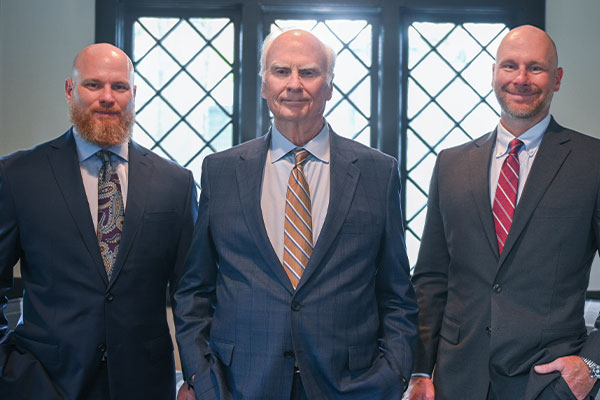
Only Serving People, Never Companies


Why Medication Errors Happen During Shift Changes
Understanding why medication errors happen during shift changes is an important step in preventing these issues in the future. Several factors contribute to these mistakes, including:
- Overworked and Understaffed Facilities: Many nursing homes operate with insufficient staff, which can lead to employees being overworked and fatigued. Staff who are tired or stretched too thin are more likely to make mistakes, especially when managing numerous residents’ medication needs.
- Poor Communication: One of the most significant contributors to shift-change errors is poor communication between the outgoing and incoming staff. If information about a patient’s medication regimen is not accurately conveyed, the next team may not be aware of crucial instructions or changes in the patient’s needs.
- Inadequate Medication Management Systems: Some nursing homes may not have proper systems in place to track and manage medications effectively. Without a reliable system, it becomes easier for staff to overlook specific medications or misinterpret instructions, leading to errors in administration.
- Lack of Training or Protocols: Not all nursing homes adequately train their staff in proper medication handling and administration procedures. This lack of training can lead to mistakes when it comes to understanding drug interactions, correct dosages, or timing for medication distribution.
How Medication Errors Impact Nursing Home Residents
Medication errors can have severe consequences for residents. For the elderly, who may already be dealing with multiple health issues, these errors can quickly escalate into life-threatening situations. Common outcomes of medication errors include:
- Physical Complications: Wrong medication or incorrect dosages can cause harmful side effects, potentially leading to hospitalization or permanent physical damage.
- Cognitive and Emotional Effects: Some medications, especially those for mental health conditions or dementia, can have adverse effects on cognitive function and emotional well-being. An incorrect dose can cause confusion, agitation, or depressive episodes.
- Prolonged Recovery Times: A missed medication dose can delay recovery, leading to prolonged illness or the worsening of the resident’s condition.
- Death: In extreme cases, medication errors can be fatal, especially when dealing with critical medications or residents who are already in fragile health.
These potential outcomes are devastating not only for the residents but also for their families. The emotional toll of knowing that a loved one has suffered due to the negligence of nursing home staff is overwhelming.
Everyone there was very professional, knowledgeable, and friendly. My car was totaled, and I was a little intimidated talking with a couple of other lawyers in Greenville. But with Christian and Christian, not only did they answer my questions, but they did so in a way that made what could have been a hectic situation, easy. Overall, an excellent experience with high quality lawyers who truly go above and beyond and really try to get you the results or answers you need. I met Josh like 4 years ago when my Son was injured at Daycare. He was very concerned about the well being of my Child and Me. Very Understanding Professional and Just a great Staff. If You need a Lawyer that’s all about YOU this is the Place. I just closed a Case on 6/23/2021 from a injury on a Property. They handled everything because no one else would help Me. I’m forever grateful for Your hard Work and Time. Once again Thank You Josh and Sally. My husband was referred to this law firm from another lawyer after his mother passed away while residing in a nursing home. Matt took on his case and we are pleased with how everything turned out. It took a long, long time to finally settle, but it was worth the wait. The staff here is friendly and I’d be happy to recommend them to anyone needing legal assistance. I was referred to Harold by a family friend, and I couldn’t be happier. He took the time to listen to my case, answered all my questions and truly treated me like a friend not a client. His knowledge of medical malpractice is priceless he actually successfully won, one of the first medical malpractice cases in Greenville County.
—Rob Young
—Rezillai Henderson
— Jen
— Lindsey
What Families Should Do After a Medication Error in a Nursing Home
Families must act swiftly if they suspect a medication error has occurred. The following steps can help protect both the health of the resident and their legal rights:
Document Everything
The first step in responding to a medication error is to document everything. Keep detailed notes on what happened, including the time of the error, the medication involved, and any symptoms or changes in the resident’s condition. If possible, gather any written reports from the nursing home staff or medical team and keep records of any conversations you have with staff members regarding the incident.
Seek Medical Attention Immediately
If your loved one’s health has been compromised due to the medication error, it’s important to seek medical attention immediately. Contact the nursing home’s medical staff to inform them of the error and request a thorough evaluation of your loved one’s health. You may also want to consult with a doctor outside of the nursing home to ensure that the full extent of the harm is assessed.
Value of a Personal Injury Case Choosing a Personal Injury AttorneyRelated Videos
Report the Error
In addition to notifying the nursing home, it’s important to report the medication error to the proper authorities. In South Carolina, this includes contacting the Department of Health and Environmental Control (DHEC) to file a formal complaint about the facility’s practices. Reporting these incidents ensures that the nursing home is held accountable and that the issue is properly investigated.
Consult a Nursing Home Abuse Lawyer
After ensuring that your loved one receives the necessary medical care, it’s crucial to consult with a lawyer who specializes in nursing home abuse and negligence. An experienced attorney can help you understand your legal options, whether you are seeking compensation for medical expenses, pain and suffering, or other damages. A lawyer can also assist in ensuring that your loved one’s rights are protected and that the responsible parties are held accountable.
Work with the Nursing Home to Prevent Future Errors
It is also important to address the issue directly with the nursing home to prevent similar incidents in the future. In some cases, the facility may be willing to improve its medication management systems, train staff more effectively, or implement new protocols to avoid medication errors during shift changes.
Verdicts & Settlements
Why You Should Not Wait to Take Action
Time is of the essence when dealing with nursing home medication errors. In South Carolina, there are strict deadlines for filing lawsuits related to nursing home abuse and negligence. Waiting too long to take action can result in the loss of your legal rights. It’s important to contact an attorney as soon as possible to ensure that your case is properly handled and that the necessary steps are taken within the legal time limits.
Legal Options for Families Affected by Medication Errors
If your loved one has suffered due to a medication error, you may have several legal options available to you. Christian & Christian Law in Greenville, SC, specializes in nursing home abuse cases, including medication errors. An attorney can help you understand your rights and guide you through the process of seeking justice. They will work tirelessly to ensure that you receive the compensation you deserve for the harm your loved one has suffered, and they will hold the nursing home accountable for its negligence.
Medication errors during shift changes are a serious concern for families of nursing home residents in Greenville. These errors can lead to devastating health consequences, and it’s crucial for families to know how to respond when they occur. By documenting the incident, seeking medical attention, reporting the error, and consulting with an experienced attorney, families can ensure that their loved ones’ rights are protected and that the responsible parties are held accountable. Christian & Christian Law is committed to helping families in Greenville fight for justice and compensation in the aftermath of nursing home negligence.
To learn more about this subject click here: Who is Liable for Medication Errors?