As spring events and festivals return to Greenville, South Carolina, pedestrian traffic increases dramatically, creating a higher risk of accidents in areas that are often crowded with families, tourists, and festival-goers. Christian & Christian Law has represented numerous victims in Greenville and surrounding areas, guiding them through complex legal processes to ensure their rights are protected. Pedestrian accidents often involve multiple parties, and establishing liability can be a complicated process. Drivers, property owners, event organizers, and even municipal authorities may be held responsible depending on the circumstances. For pedestrians, understanding who may be liable, what evidence is necessary, and how to pursue compensation is critical to securing a fair outcome and recovering damages for injuries sustained.




Multiple Parties Can Be Liable 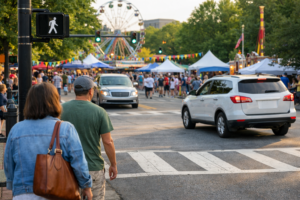
Liability in pedestrian accidents is determined by negligence. In South Carolina, negligence occurs when a party fails to exercise reasonable care, resulting in harm to another person. Drivers are frequently the primary source of liability in pedestrian accidents. If a driver fails to obey traffic signals, runs a red light, speeds, or is distracted, they can be held fully responsible for injuries caused to a pedestrian. However, liability is not limited to drivers. Property owners may be responsible if unsafe conditions on sidewalks, crosswalks, or festival grounds contributed to the accident. This includes issues such as poorly maintained walkways, uneven pavement, obstructed paths, or inadequate lighting. Event organizers also have a duty of care to ensure the safety of attendees. A failure to implement sufficient crowd control, properly secure equipment, or warn pedestrians of potential hazards can result in legal responsibility. In certain situations, municipalities can be held liable if accidents occur due to malfunctioning traffic signals, lack of crosswalks, or poorly maintained public walkways. Determining which party or parties are liable often requires careful legal analysis, witness testimony, and the collection of physical evidence from the scene.
Comparative Negligence in South Carolina
South Carolina uses a comparative negligence system, which means that the actions of the pedestrian are also considered when determining liability. If a pedestrian contributes to the accident by crossing outside of designated crosswalks, ignoring traffic signals, or failing to exercise reasonable caution, their compensation may be reduced proportionally. For instance, if a pedestrian is deemed 25% responsible for an accident because they ignored a “Do Not Walk” signal, any damages awarded will be reduced by that percentage. Insurance companies often use comparative negligence to limit payouts, making it even more important for victims to have experienced legal representation. An attorney can evaluate the specifics of the case, gather evidence to demonstrate the primary negligence of drivers, organizers, or property owners, and advocate for the maximum possible recovery despite any partial fault attributed to the pedestrian.
Founded in 1975, Christian & Christian has deep roots in the community. 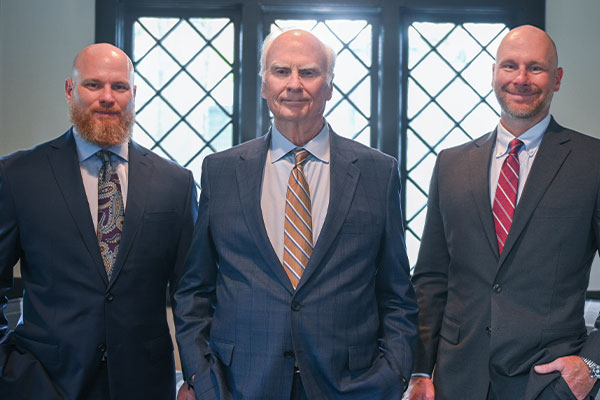
Only Serving People, Never Companies


The Importance of Gathering Evidence
Proving liability in pedestrian accidents relies heavily on evidence collected immediately after the incident. Photos or videos of the accident scene can document traffic conditions, lighting, signage, and the positions of vehicles and pedestrians. Witness statements are invaluable, as bystanders often provide firsthand accounts of the incident. Police reports provide official documentation of the circumstances and can establish fault. Additionally, medical records are essential to demonstrate the severity and extent of injuries, which impact the calculation of damages. In accidents that occur on private property, event logs or maintenance records can be critical to show that property owners or organizers failed to maintain a safe environment. Christian & Christian Law emphasizes meticulous evidence collection to build a strong case that accurately reflects the circumstances surrounding the accident and the parties responsible.
Filing Claims and Pursuing Compensation
Pedestrian accident victims have the option to pursue claims against several types of defendants. Driver negligence is typically addressed through auto insurance claims, while liability for accidents caused by property conditions or festival events may involve premises liability insurance or event coverage. Filing claims against municipalities requires adherence to specific notice requirements under South Carolina law. In cases involving multiple liable parties, strategic coordination is necessary to pursue compensation from all responsible sources. An attorney can navigate the complex process, advise on which claims are most likely to succeed, and ensure deadlines and legal formalities are met to preserve the victim’s rights. This proactive approach often leads to faster resolutions and higher compensation for victims.
Everyone there was very professional, knowledgeable, and friendly. My car was totaled, and I was a little intimidated talking with a couple of other lawyers in Greenville. But with Christian and Christian, not only did they answer my questions, but they did so in a way that made what could have been a hectic situation, easy. Overall, an excellent experience with high quality lawyers who truly go above and beyond and really try to get you the results or answers you need. I met Josh like 4 years ago when my Son was injured at Daycare. He was very concerned about the well being of my Child and Me. Very Understanding Professional and Just a great Staff. If You need a Lawyer that’s all about YOU this is the Place. I just closed a Case on 6/23/2021 from a injury on a Property. They handled everything because no one else would help Me. I’m forever grateful for Your hard Work and Time. Once again Thank You Josh and Sally. My husband was referred to this law firm from another lawyer after his mother passed away while residing in a nursing home. Matt took on his case and we are pleased with how everything turned out. It took a long, long time to finally settle, but it was worth the wait. The staff here is friendly and I’d be happy to recommend them to anyone needing legal assistance. I was referred to Harold by a family friend, and I couldn’t be happier. He took the time to listen to my case, answered all my questions and truly treated me like a friend not a client. His knowledge of medical malpractice is priceless he actually successfully won, one of the first medical malpractice cases in Greenville County.
—Rob Young
—Rezillai Henderson
— Jen
— Lindsey
Types of Damages Available
Victims of pedestrian accidents may be entitled to several types of damages. Medical expenses, including emergency treatment, surgeries, rehabilitation, medications, and future care, are often the most immediate and significant costs. Lost wages and diminished earning capacity compensate victims for time away from work and potential long-term impact on employment. Pain and suffering awards recognize the physical, emotional, and psychological toll of the injury, including reduced quality of life or permanent impairment. Property damage covers repair or replacement of personal belongings affected by the accident. Christian & Christian Law works to identify and quantify all recoverable damages, ensuring clients receive compensation that reflects both the economic and personal impacts of their injuries.
Statute of Limitations
South Carolina Code of Laws §15-3-530 establishes a three-year statute of limitations for personal injury claims. Failing to file within this period typically bars a victim from pursuing legal action. Prompt consultation with a qualified attorney is critical to ensure compliance with these timelines, secure evidence before it is lost, and maximize the chances of a successful claim. Early engagement with legal counsel also allows for investigation, communication with insurance companies, and negotiation without delay.
Value of a Personal Injury Case
Choosing a Personal Injury Attorney
Related Videos
Case Scenarios and Examples
Spring festivals and community events create unique environments for pedestrian accidents. Consider a festival crosswalk incident where a driver fails to stop at a red light near the Swamp Rabbit Trail festival, striking a pedestrian. If the pedestrian followed traffic rules, liability rests entirely on the driver, and compensation for injuries, lost wages, and medical bills may be pursued through the driver’s insurance. In a parking lot slip and fall, a festival attendee may fall due to water or debris on the ground. Liability may extend to the property owner if proper maintenance or warnings were neglected. In another scenario, temporary barricades collapse during a concert, injuring multiple attendees. Event organizers could be responsible for failing to implement adequate safety measures. Each of these situations demonstrates the importance of understanding the specific circumstances and legal responsibilities that may apply to multiple parties.
Preventive Measures for Pedestrians and Organizers
While legal remedies are essential after an accident, preventive measures reduce risks and enhance safety during high-traffic events. Pedestrians should use designated crosswalks, obey traffic signals, and remain alert to surrounding vehicles. Drivers must reduce speed and exercise heightened caution in areas with large numbers of pedestrians. Event organizers should plan for crowd control, provide clear signage, secure temporary structures, and inspect walking surfaces for hazards. Municipal authorities must ensure crosswalks, signals, and sidewalks are maintained and functioning correctly. These precautions help prevent accidents and reinforce the duty of care owed by all parties involved.
Verdicts & Settlements
How Christian & Christian Law Can Assist
Christian & Christian Law has decades of experience representing victims of pedestrian accidents in Greenville and surrounding Upstate communities. Our attorneys, including Harold, Josh, and Matthew Christian, understand South Carolina laws and the local context of festival liability. We assist clients by investigating accidents, gathering evidence, identifying all responsible parties, and negotiating with insurance companies. When necessary, we pursue cases in court to ensure clients receive full and fair compensation for medical bills, lost income, and pain and suffering. We provide free consultations, guiding victims through every step of the legal process, answering questions, and offering clear, compassionate support during challenging times.
As Greenville welcomes spring festivals and outdoor events, pedestrian accidents are a heightened risk. Understanding who may be liable—whether drivers, property owners, event organizers, or municipalities—is crucial for victims seeking justice. Documenting the scene, collecting witness statements, and consulting an experienced attorney ensures victims can pursue full compensation. Christian & Christian Law offers professional guidance, personalized strategies, and a comprehensive approach to protecting victims’ rights in pedestrian accident cases. By addressing both legal responsibilities and preventive measures, pedestrians, organizers, and drivers can reduce risks while ensuring accountability when accidents occur.
To learn more about this subject click here: Pedestrian Accidents at Night: Legal and Safety Considerations

 National Trial Lawyers: Medical Malpractice Top 100 in the U.S. (Top 25 for S.C.)  Nursing Home : Top 10 Trial Lawyers Association |  Expertise.com: Best Personal Injury Lawyers in Greenville |