
During winter months, the cold and icy conditions pose unique challenges, especially when it comes to emergency response times. At Christian & Christian Law, we understand how these delays can complicate injury claims, especially when they result in a delay in medical attention or evidence gathering. Winter weather brings snow, ice, and hazardous conditions that directly impact how quickly emergency responders can reach accident victims, potentially affecting the severity of injuries and the outcome of any claim filed thereafter. The interplay between emergency delays due to weather and the claims process is a critical area for anyone involved in a personal injury case during colder seasons to understand.








How Winter Weather Impacts Emergency Response 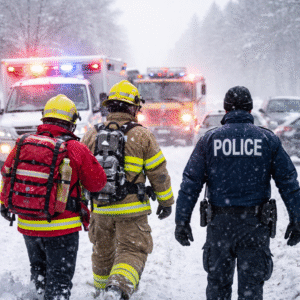
Winter weather can severely impact emergency response times, and there are several reasons why these delays occur. Snow, ice, and cold temperatures can drastically change the road conditions, making driving unsafe and slowing down emergency vehicles. When roads are slick and visibility is poor, emergency responders must proceed with extreme caution. Unfortunately, this increased caution leads to slower response times, which can prove to be disastrous in emergency situations. Whether it’s a car accident or a medical emergency, every minute counts, and delays can mean the difference between life and death or the severity of injuries sustained.
Moreover, these hazardous conditions can also lead to more accidents. Icy roads cause an increase in the number of collisions, as well as other weather-related injuries such as frostbite and hypothermia. The higher volume of emergencies can overwhelm responders, causing further delays as resources get stretched thin. Emergency vehicles might have to wait for a clearing in traffic or a safer route, which can delay the time it takes to reach the injured party.
What This Means for Injury Claims
For individuals who suffer injuries during the winter months, delays in emergency response can complicate the claims process. A delayed response can worsen the injury, either by prolonging exposure to dangerous conditions or preventing timely medical intervention. In many cases, these delays are outside the injured party’s control, yet they can still be cited in injury claims as contributing factors that make the situation more severe. Here’s a closer look at how delays during cold weather might affect injury claims:
Founded in 1975, Christian & Christian has deep roots in the community. 
Only Serving People, Never Companies


- Causation of Injuries: If the delay results in worsening an injury, it could become an important issue in determining liability. For example, if an accident victim is left out in the cold for an extended period due to slow emergency response times, the prolonged exposure could exacerbate their injuries or cause additional harm such as frostbite. In this situation, it’s important to determine whether the injury would have been as severe had the response been quicker.
- Liability Issues: When delays in emergency response are caused by negligence or lack of preparedness on the part of responders or the responsible parties (such as municipalities or transportation departments), they could become a point of contention in an injury claim. If it can be proven that better preparedness could have prevented the delay or reduced its severity, this can strengthen the claimant’s case for greater compensation.
- Insurance Disputes: Insurance companies may attempt to deny or devalue claims that involve delays in emergency response, arguing that the delay wasn’t the direct cause of the injury. Having a knowledgeable attorney by your side to counter this argument can be crucial in making sure that your claim is fairly evaluated.
Everyone there was very professional, knowledgeable, and friendly. My car was totaled, and I was a little intimidated talking with a couple of other lawyers in Greenville. But with Christian and Christian, not only did they answer my questions, but they did so in a way that made what could have been a hectic situation, easy. Overall, an excellent experience with high quality lawyers who truly go above and beyond and really try to get you the results or answers you need. I met Josh like 4 years ago when my Son was injured at Daycare. He was very concerned about the well being of my Child and Me. Very Understanding Professional and Just a great Staff. If You need a Lawyer that’s all about YOU this is the Place. I just closed a Case on 6/23/2021 from a injury on a Property. They handled everything because no one else would help Me. I’m forever grateful for Your hard Work and Time. Once again Thank You Josh and Sally. My husband was referred to this law firm from another lawyer after his mother passed away while residing in a nursing home. Matt took on his case and we are pleased with how everything turned out. It took a long, long time to finally settle, but it was worth the wait. The staff here is friendly and I’d be happy to recommend them to anyone needing legal assistance. I was referred to Harold by a family friend, and I couldn’t be happier. He took the time to listen to my case, answered all my questions and truly treated me like a friend not a client. His knowledge of medical malpractice is priceless he actually successfully won, one of the first medical malpractice cases in Greenville County.
—Rob Young
—Rezillai Henderson
— Jen
— Lindsey
Winter Accidents and Documenting Delays
If you’re injured in an accident during the winter months, it’s essential to document every detail of the event, including weather conditions and response times. The more information you can provide, the stronger your case will be. Here’s how you can help ensure that your injury claim is as robust as possible:
- Record Weather Conditions: Immediately note the weather conditions at the time of the accident. This includes snow, ice, sleet, or freezing temperatures that could have contributed to road hazards. If possible, gather evidence such as photos of the accident scene showing road conditions, or even weather reports from the time of the accident. These can be critical pieces of evidence in establishing how weather-related delays contributed to the injuries.
- Witness Statements: If you were involved in an accident and witnessed or heard about any delays, witness statements can help corroborate your claims. Statements from bystanders who can attest to the delayed arrival of emergency responders are valuable pieces of evidence in demonstrating that the delay contributed to the severity of the injuries.
- Emergency Response Documentation: If possible, obtain official documentation from emergency responders that outlines the time it took for them to arrive at the scene. The response times from 911 dispatchers or emergency medical personnel could be critical to proving how long it took for help to arrive. In some cases, you may even be able to request time-stamped records from the dispatch center.
- Medical Records: Make sure you keep track of your medical records. Injuries from winter accidents can have long-term consequences, especially if they were not treated promptly. The longer the delay, the more it could affect your recovery, and medical documentation will be crucial in showing how delays impacted your healing process.
Value of a Personal Injury Case Choosing a Personal Injury AttorneyRelated Videos
What Can You Do in the Event of Delays?
If you’ve been involved in an injury caused by a delay in emergency response during winter, here are a few steps to take:
- Contact an Experienced Attorney: The legal implications of weather-related delays can be complex. Having an experienced attorney who understands how these delays affect injury claims is essential for protecting your rights. They will help you navigate the intricacies of your claim and advocate on your behalf to ensure you get the compensation you deserve. At Christian & Christian Law, we have extensive experience in handling cases involving weather-related delays, and we can assist you with filing a claim that takes these delays into account.
- Explore All Available Evidence: Weather conditions and response times can often be the most difficult aspects of an injury claim to prove. However, working with the right legal team can help you access crucial evidence, including traffic cam footage, weather data, and public records of emergency response times.
- Don’t Settle Too Early: Insurance companies may try to settle claims quickly, especially when delays are involved. However, accepting an initial settlement offer may not fully account for all the damage caused by delayed medical intervention. Having an attorney review your case before you settle is key to ensuring a fair outcome.
Verdicts & Settlements
The Role of Legal Representation in Winter-Weather Injury Claims
Having skilled legal representation during winter injury claims is essential. Legal professionals with experience in handling weather-related delays understand the importance of gathering evidence, presenting a solid case, and pushing back against unfair insurance tactics. At Christian & Christian Law, we offer free consultations and are ready to assist in ensuring your injury claim reflects the full extent of your suffering.
To learn more about this subject click here: How Winter Weather Increases the Severity of Car Accident Injuries